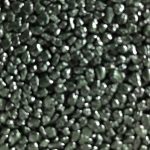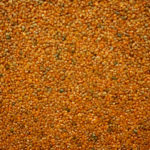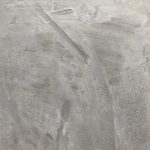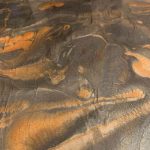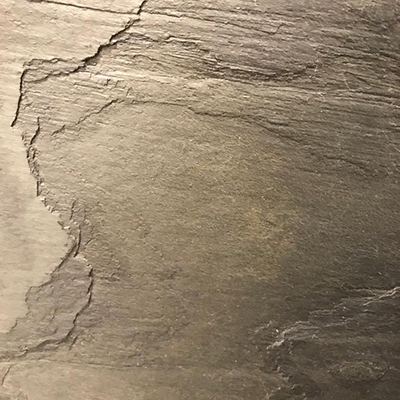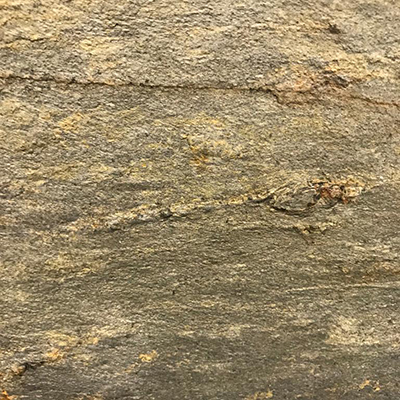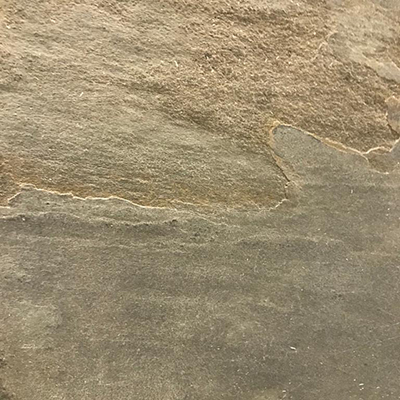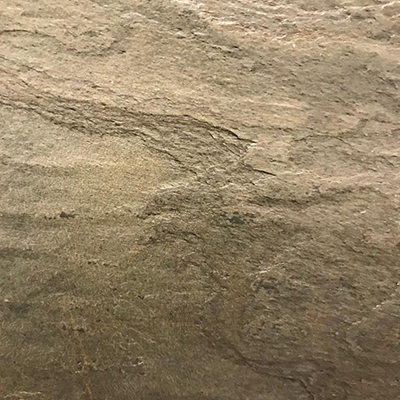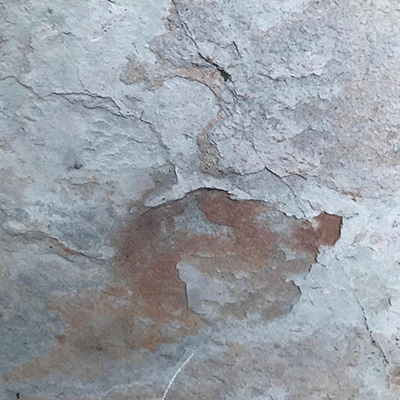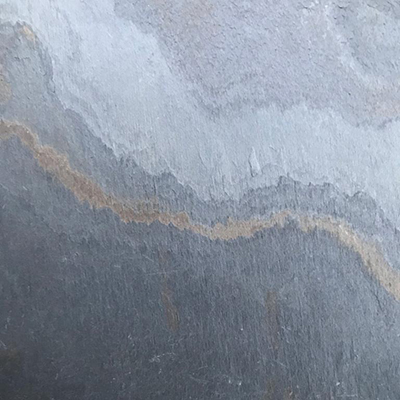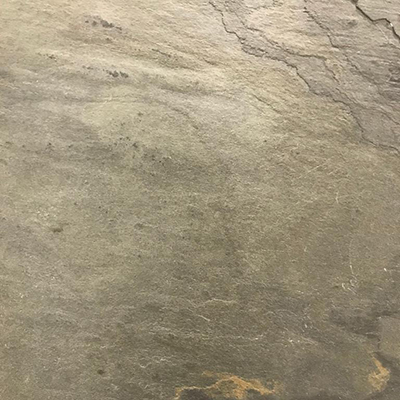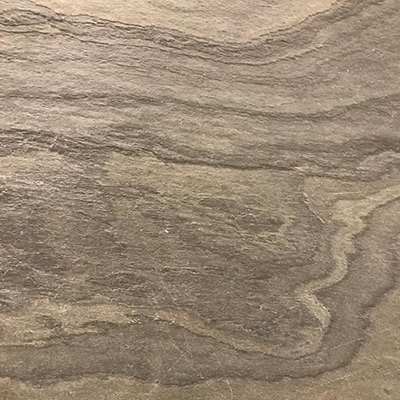
Natural slate combines the impressive look of solid stone slabs with modern technology. With wafer-thin stone veneers on a flexible substrate, you get stone surfaces with a high-quality look and feel that can be used in a variety of ways – for walls, floors, design elements and façades.
Natural slate is genuine slate stone that is quarried in a thin form (“stone veneer”) and applied to a flexible carrier plate (e.g. fiberglass) with epoxy resin. The stone layer itself is usually less than 2 mm thick – making it very flexible and easy to work with, yet solid in appearance and appearance.
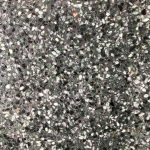
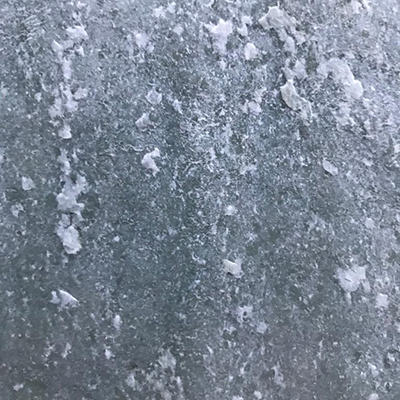
There are different types of slate: variegated slate is characterized by highly visible colour mixtures and structures; mica slate provides a glossy effect, softer, calmer veins and particularly good durability for floor surfaces, especially due to its feldspar content.
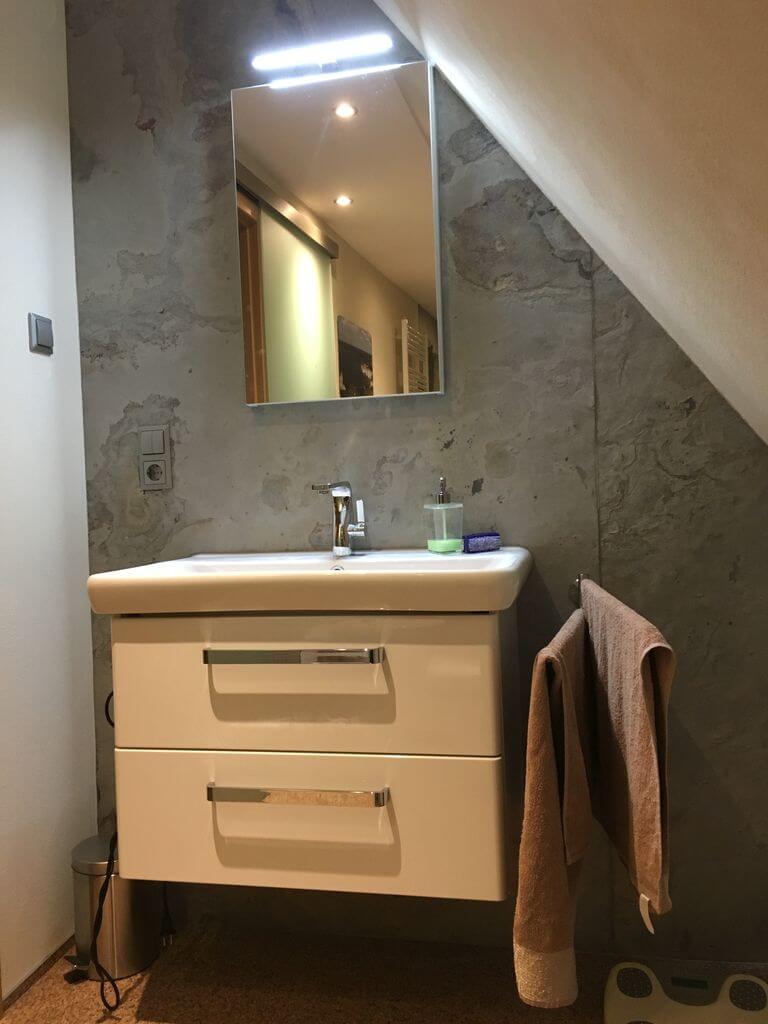
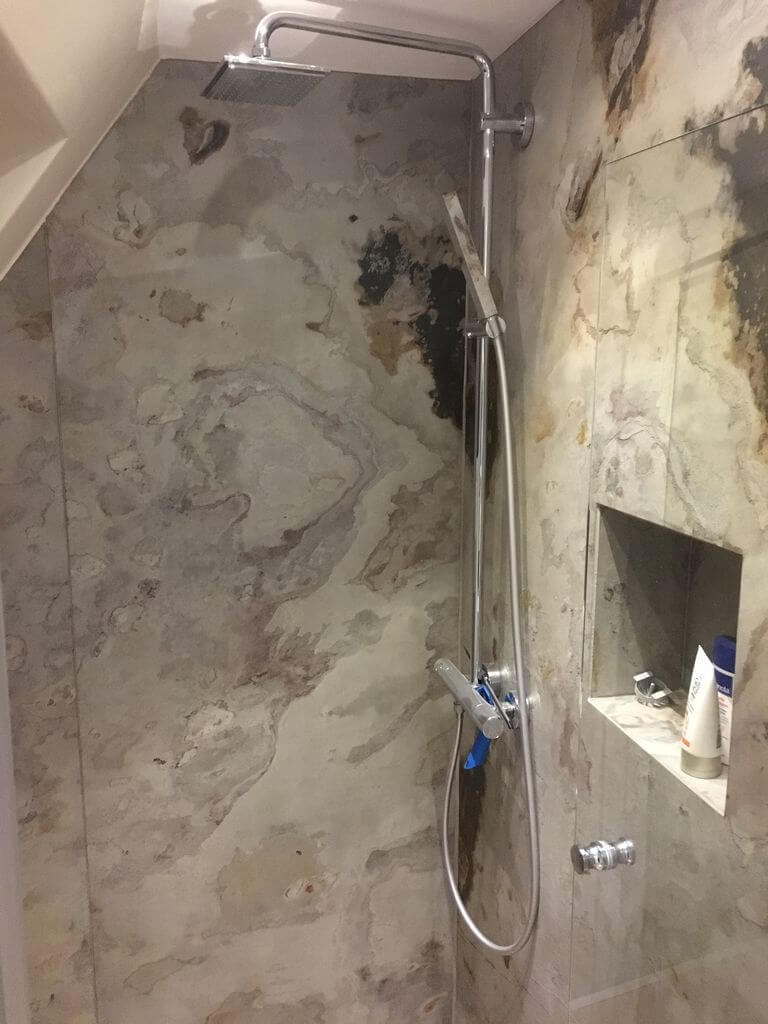
High-quality look and unique character: each panel is unique with its own color gradients, grains and shades. This natural charm looks particularly impressive in both modern and classic rooms.
Flexible processing: Natural slate can also be used on difficult substrates – such as drywall, old tiles, wood or plaster – thanks to a thin layer on the substrate and epoxy resin.
Large formats possible, seamless impression: Formats up to approx. 1.20 m × 2.40 m enable large-area cladding without conspicuous joints – ideal for walls, showers, facades, etc.
Durability and resistance: Mica slate in particular impresses with its more even structure and high load-bearing capacity. With suitable sealing, floor surfaces can also withstand wet loads and stresses.
Scope for design: In addition to color variations – calm or contrasting grain – effects such as backlit surfaces are also possible; the thin layer of stone allows light to shine through in places, creating special, atmospheric accents.
When and where can natural slate be used to emphasize its strengths and advantages? Find out here:
2. slab formats and installation
Natural slate slabs are available in formats up to approx. 1.20 m × 2.40 m – large-area elements enable almost seamless cladding.
3. sealing and care
For floor coverings and heavily used surfaces, a suitable sealant is recommended to protect the surface against moisture, dirt and abrasion. Regular cleaning is sufficient; special procedures if required.
Aesthetic enhancement: Slate surfaces usually give rooms a more elegant, high-quality appearance – ideal for creating an impression of exclusivity and naturalness.
Fewer joints, more uniformity: large formats and thin stone layers contribute to surfaces with fewer joints – fewer interruptions in the field of vision.
Less weight and better installation times: Significantly lighter compared to solid stone slabs – easier installation and handling.
Versatile applications with high durability: for walls and floors, wet areas, façades – if the material and substrate are right, natural slate offers robust solutions.
A damp cloth or mild cleaning agent is often sufficient for cleaning; abrasive or highly corrosive agents should be avoided.
Check the sealant on floors and exterior surfaces regularly – it preserves color intensity and protects against moisture.
Light sources behind slate panels can create exciting accent effects – ideal for prominent walls, niches or counters.
Combine natural slate with complementary materials such as wood, metal or glass for contrasts – e.g. slate wall plus stone carpeting creates a particularly harmonious overall look.
Would you like to know how natural slate can be used in your projects and what costs you can expect? We will be happy to advise you – from the choice of slate type, format design and substrate testing to a binding cost estimate.
Where we work
Menu

We have been your contact for stone carpets and epoxy resin-based coating systems for over 20 years. From our company headquarters in Südbrookmerland, we supply our partners in the trade and our customers in the commercial and private sectors throughout Europe with products of the Qubo® quality brand.