Details and facts, key figures and explanations – here you will find answers to frequently asked questions about our Qubo® coating systems. If any details remain unclear, simply contact us. We will be happy to advise you personally and promptly.
First and foremost, the area of application determines the pricing. For example, you can have a stone carpet laid indoors for around €80 plus VAT per m². However, the costs depend on many different factors, including
from the primer
the choice of skirting boards, for example if these are also made of quartz gravel
from the labor costs of the professional installer
the size of the area to be laid
In outdoor areas, the costs are higher because the substrate is sealed and a special binder is used.
In most cases,
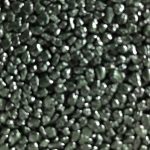
colorquartz
or
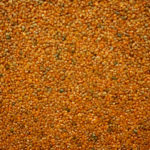
marble gravel
is used for the production of stone carpets. However, there are considerable differences in quality here, for example in the proportion of dust in the material or in the types of marble used.
Colored quartz is available in the following grain sizes:
1–2 mm
2–3 mm
Marble gravel is available in the following grain sizes:
1–4 mm
4–8 mm
Of course, the choice of gravel grain size has an effect on the laying thickness of the gravel floor.
The laying thickness of the floor depends on the gravel grain size and the area of application. Normal quartz gravel with a grain size of 2 – 3 mm can be laid indoors with a thickness of 6 mm.
An installation thickness of 8 mm is used outdoors and on stairs indoors due to the load.
Finally, 10 mm of material is applied to external stairs.
Vertical surfaces such as risers, skirting boards and walls are always laid in 6 mm.
The larger the grain size of the gravel, the higher the installation height of the floor covering. This means that more gravel and additional binder is required per m². The price increases accordingly.
The primer forms the bonding bridge between the building structure and the gravel floor. The material can be applied to almost any substrate, for example tiles, wood, stone, concrete and metal. Different substrates require different preparation steps.
On tiles and metal, for example, a primer is required to give the smooth surface stability during installation.
On porous stone and absorbent screed, the appropriate primer must be used to prevent the binder from being absorbed, which is intended to ensure that the pebbles remain in place.
To coat wooden planks with a gravel floor, the movement of the planks against each other must first be stopped. To do this, the installer first applies a mesh mat to the wooden floor. Once the filler has dried, the gravel floor is applied.
For reasons of hygiene, the stone carpet should be fitted with a pore seal, especially in kitchens and
bathrooms
. It prevents leaked, sticky liquids from penetrating the stone carpet. While it is difficult to remove liquids that have penetrated an open floor, the pore seal enables
effortless cleaning
by wet mopping.
Dogs, cats and co. feel much more comfortable on the textured surface than on smooth floor coverings such as tiles or laminate, as they do not slip on stone carpets. However, it is advisable to cover the floor with a pore seal to ensure an easily wipeable surface.
High drainage capacity due to open-pored structure
Quick drying in sun and wind
Easy to clean and self-cleaning
100% frostsicher
UV-stabil
The most important thing when laying gravel floors in outdoor areas is preparing the substrate. This ensures the durability of the finished floor.
On the one hand, this is because a primed subfloor provides significantly increased adhesion for the filled gravel. On the other hand, a sealing layer keeps rainwater away from the building structure, for example, which supports long-term durability.
Options for sealing building structures are
In order to drain rainwater effectively, the floor covering is laid with a gradient of at least 1.5%.
In outdoor areas, the stone carpet is always laid as an open system to ensure drainage capacity and thus the run-off of rainwater. This makes them 100% frost-proof and therefore ideal as
pool surrounds
and as a covering for balconies, terraces, entrance areas, outdoor steps and loggias.
We would like to point out that we do not recommend stone carpets in the direct shower area. The reasons for this can be found in the basic structure of the floor and the wet room. Just as the tile adhesive under a tile does not form a completely flat surface without air pockets, pores also remain underneath a sealed stone carpet.
If, after years, a silicone seam leaks and water from a fitting, for example, penetrates between the wall or floor covering and the seal of the building structure, the transparent pore seal reacts with the water and forms white stains. As these occur underneath the seal, they cannot be wiped away or removed by drying.
This is why insurance companies do not classify stone carpets as suitable for wet rooms and do not replace such coatings in the event of damage. We therefore recommend microcement coatings for showers. With these, there is no water-bearing layer between the floor covering and the substrate, so there is no risk of moisture penetration. Due to the many customization options for microcement, it can also be combined with stone carpeting. Just get in touch with us.
A staircase coated with stone carpet already has a slip resistance class of R10 after installation.
The slip resistance class can be increased to R11 or R12 using special sealants.
Depending on the type of staircase, renovations are possible within 3-5 days.
Please contact us to discuss the details
.
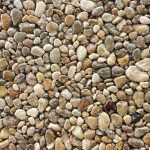
All our gravel floors use natural stones as the base material. This is why many people also refer to stone carpeting as
natural stone carpeting
.
The gravel is available natural and colored.
A professionally laid floor can practically only be destroyed by chemical stress or under the influence of enormous mechanical forces. It can therefore be assumed that a well-maintained floor will last for several decades.
A separating layer can be worked into the floor coating during installation. This additional step during installation makes it very easy and effortless to remove the gravel flooring.
Mica additives and various gemstones can be added, but this represents a further cost factor.
Qubo® quartz gravel flooring is becoming increasingly popular and demand for this product is growing, as it offers many advantages. In living areas, it has all the positive properties of an ordinary stone carpet. Qubo® quartz flooring can be laid quickly and also in combination with underfloor heating.
Screed, concrete, tiles – the Qubo® can be laid on almost any substrate. In combination with a fabric mat, quartz gravel floors can even be laid on wooden subfloors.
The installation height depends on the selected grain size. The laying thickness is 6 mm for a grain size of 2 – 4 mm and 10 mm for a grain size of 4 – 8 mm.
Our Qubo® quartz gravel floors can be walked on after 24 hours and are fully cured after 7 days.
Whether in the same color or as a contrast – the ideal skirting boards are created directly on site from quartz gravel. These ensure a uniform, elegant look and can be perfectly adapted to the architectural and stylistic requirements.
Our
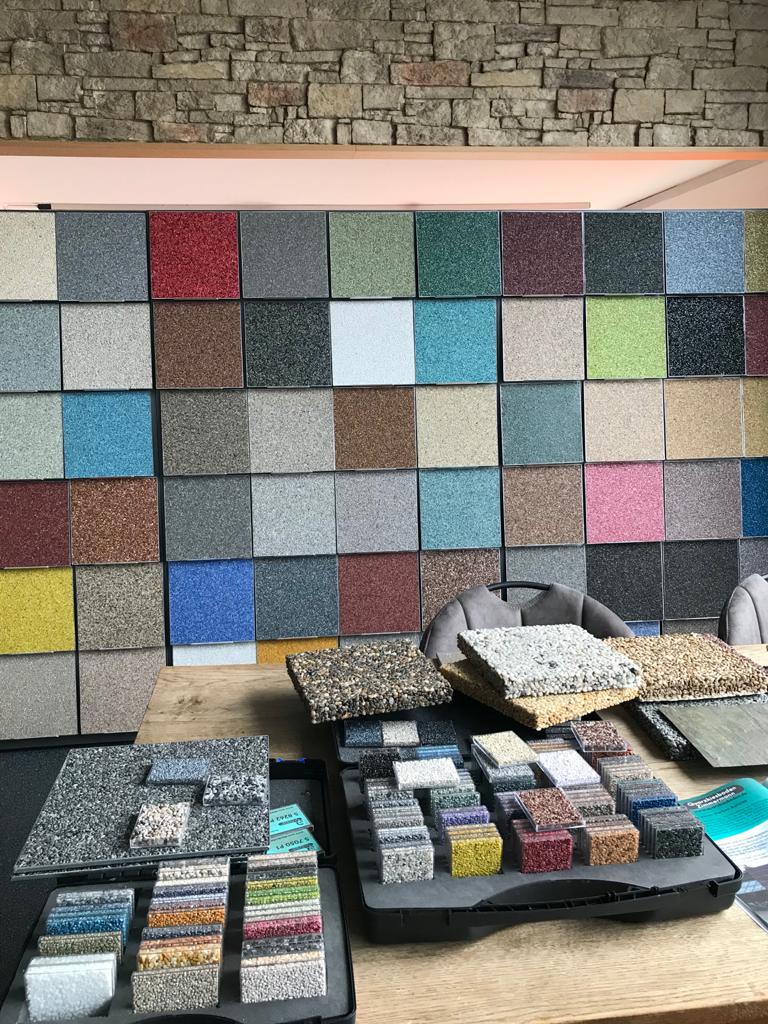
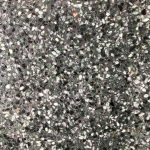
In addition to the uncolored natural quartz, quartz gravel is also available in various colors. The quartz gravel can be ordered in single-colored, double-colored or metallic versions.
Our
The textured surface also makes the floor anti-allergenic. This means that the fine house dust settles in the individual pores, is not trapped and can simply be vacuumed out. This floor is therefore predestined for house dust allergy sufferers, making it ideal for laying in bedrooms. Of course, it can also be wet mopped. A wet vacuum cleaner is suitable for basic cleaning.
The sealing with a pore seal ensures a hygienic surface. The quartz floor is also very warm underfoot. This effect is created by the insulating effect of the many small air chambers in the floor system.
Its high slip resistance is particularly beneficial for our four-legged friends. The animals feel particularly comfortable on the
Due to its sound-absorbing effect,
From the converted attic to the cellar and garage. Qubo® quartz gravel floors are all-rounders for indoor and outdoor areas, both private and commercial. Installed indoors, it is suitable for the entire living area such as the dining room, living room, conservatory, kitchen, children’s room, guest room and bedroom, utility room and office. In bathrooms and toilets, the seamless, modern surface coating replaces conventional tiles. Quartz gravel floors are also suitable for saunas, fitness and wellness areas, swimming pools and for outdoor pool surrounds.
Outdoor stairs, balconies and terraces are also covered with quartz. Due to its insensitivity to dirt, quartz flooring is often laid in entrance areas such as corridors and on stairs. A logo in the foyer is a special eye-catcher.
Thanks to its high load-bearing capacity, the quartz flooring is used in factory buildings, industrial halls and warehouses that are accessed by forklift trucks and equipped with heavy-duty shelving. Thanks to its special structure and sealing,
A separating layer can be incorporated for easy removal of the Qubo®.
For industrial purposes, a floor must remain durable and hard-wearing for decades. The surface must also be resistant to various liquids and chemicals.
Our Qubo® quartz gravel flooring meets these requirements with flying colors. We can also adapt your quartz gravel floor to your corporate design and brand it with your company logo.
All
The binders used, which consist of natural resins and a hardener component, are a very important issue when creating these top floors. The
The standard gravel grain sizes are 1 – 2 mm, 2 – 3 mm and 3 – 4 mm.
Depending on the design of the staircase, the renovation takes 3-5 days.
Due to its structure and thin layer thickness, a quartz gravel floor is ideal for underfloor heating.
The quartz gravel layer, which is only a few millimetres thick, heats up faster than a much thicker tiled floor, for example. At the same time, the granular structure of the quartz gravel floor provides a considerably larger surface area than smooth floor coverings. This allows the heat to be transferred to the room air more quickly.
Due to its insensitivity to dirt, it is very suitable for laying on stairs. This also applies to corridors, foyers and entrance areas.
The original slip resistance class of a quartz gravel floor is R10. With a special seal, any slip resistance class can be set.
Man kann den Quarzkiesboden einfach trocken saugen, nass wischen oder ein Nasssauggerät verwenden.
Our Qubo® Resin
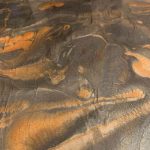
With colored epoxy flooring, this is the pigmented epoxy resin. In addition to the desired color, the design layer can be enhanced with special pigments and effects. A pigmented epoxy resin floor with a glossy surface is already laid at this point.
To give the surface a matt look or a silky matt finish, a suitable sealant can be applied at the end.
With the 3D floor, the photo film is fixed after priming. The final top layer is then poured using the transparent resin.
Each of the applied layers can be walked on after a curing time of 24 hours. Depending on the existing substrate, additional preparation steps may be necessary so that the finished floor can be walked on after 3-4 days. The epoxy resin is fully cured and can withstand maximum loads after 7 days.
In general, conventional screed floors are suitable as a substrate for our Qubo® epoxy resin. Existing tiles can also be reworked if they are pre-treated accordingly.
A coating made of Qubo® epoxy resin is characterized by an extremely low construction height of only 2-3 mm.
In principle, a large selection of colors can be made available on customer request. The design options are extended by the possibility of sprinkling in particles for metallic and glitter effects and mixing color pigments with each other.
No, all our Qubo® Resin flooring systems are solvent-free.
An epoxy resin floor is created in two to three steps, each of which is followed by a drying phase until the next day.
On the first day, the substrate is prepared and provided with a primer coat. The decorative layer is applied on the second day. The desired seal is applied on the third day.
The final step in the creation of an epoxy resin floor is the application of the sealer. This seal can also be made non-slip. For special requirements regarding the slip resistance class, simply contact us in advance.
The even surface and the resistant material give dirt no chance to penetrate the floor. This means that dirt can simply be wiped off the surface and liquids absorbed. This applies to epoxy floors in living areas as well as utility areas in cellars and garages.
In general, mild household cleaners should be used to clean Qubo® Resin floors and aggressive cleaning agents should be avoided. The latter should not only be used with caution in terms of health, they can also cause lasting damage to the surface of the flooring system.
Once the material has fully cured and chemically set, the
The Qubo® epoxy resin flooring systems are available in several versions with different areas of application.
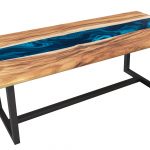
Qubo® Resin floors are used to create surfaces that combine attractiveness and durability. The materials in this series are used to create the familiar
The Qubo® EP07 is a system specially developed for industrial use, which allows thin, particularly robust coatings in the desired color for areas subject to extreme stress.
Yes, both our Qubo® Resin and our Qubo® EP07 are suitable for use in garages. We will be happy to provide you with detailed advice on selecting the right system in a personal consultation.
Just get in touch with us
.
The cementitious filler is characterized by an exceptionally low construction height of just 2 – 3 mm. This simplifies modernization in rooms with particularly small gaps under the door, for example.
The originally white filler can be tinted to almost any desired shade by adding color pigments.
A glossy or semi-gloss finish can be applied as required. In addition, the required slip resistance classes can be achieved with appropriate sealers.
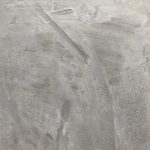
The seamless floors with a concrete look are filled in several layers of microcement. The price depends on the size of the area to be laid and the number of layers of leveled flooring. As a rule, two layers are sufficient. Additional layers can be applied for design reasons. In proportion, a small room, such as a bathroom with many corners, costs more than large rooms. On average, the price is between €120 and €180 per m².
Compared to floors, coating walls with microcement is more expensive. This is why the cost of a wall coating is approx. 10 % higher compared to microcement floors.
Almost any substrate can be coated. Here are some examples of usable substrates:
With an installation thickness of only 2-3 mm, the substrate must be correspondingly free of unevenness. If there are any, they must be filled beforehand.
Due to the density of the material, the microcement floor is waterproof.
Yes, depending on the area of application, you can set the required slip resistance class with different sealers.
To ensure a long service life of the surface, we recommend using water and neutral soaps. Sealing the surface makes it easier to clean and protects it from stains.
Yes, after the heating switch-on protocol has been carried out so that the cracks in the screed caused by the temperature change do not continue in the microcement surface.
Microcement is a breathable coating that can be used indoors and outdoors, even in wet rooms. Ideal for bathrooms, wellness oases and fitness centers. Popular in kitchens and living areas, as well as conservatories and on stairs. Commercial areas such as restaurants, stores, doctors’ surgeries and laboratories are created with this special material. The microcement floor meets all hygiene requirements and can be made slip-resistant by applying an appropriate sealant. Microcement can be used to create durable, dirt-repellent, waterproof and abrasion-resistant surfaces.
Yes, our aqua series is 100 % waterproof. Our qualified companies ensure professional pre-treatment and processing of the substrate.
Solid tiles can be reworked without any problems. If they are loose in some places, they must be removed.
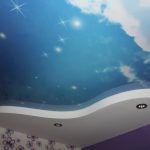
A stretch ceiling is a stretched ceiling covering, which is a ceiling under the ceiling. Stretch ceilings are used to stretch under existing ceilings that no longer look good for various reasons, be it stains or cracks that have developed over time. Perhaps your old wood paneling is no longer modern enough for you. Stretch ceilings offer you a simple renovation option.
You will never have to paint your ceiling again. Unless you want your stretch ceiling in a different color. Individual lighting systems can be integrated. Stretch ceilings are flame-retardant (B1 according to DIN 14716), have a long service life, are robust and tear-resistant, are easy to clean, heat-insulating, improve room acoustics, are free of cadmium, dioxin, asbestos and formaldehyde, antistatic, suitable for allergy sufferers, resistant to mold, stains and bacteria. As the stretch ceilings are resistant to moisture, they can be installed in the kitchen or bathroom without any problems. This is because rising damp can escape through the stretch ceilings.
A stretch ceiling is installed in just one day.
No, when installing stretch ceilings, the furniture can remain in the room. They can be moved to the edges of the room so that there is space to work in the middle and on the wall.
Stretch ceilings can be installed in practically any room. They can be installed in living rooms, bedrooms, children’s rooms, hallways, foyers, bathrooms, offices, kitchens, stores, doctors’ surgeries, waiting rooms and much more.
The type of ceiling does not matter when installing stretch ceilings. Concrete, plaster, plasterboard, polystyrene and wooden ceilings can be suspended.
Where we work
Menu
We have been your contact for stone carpets and epoxy resin-based coating systems for over 20 years. From our company headquarters in Meinerzhagen, we supply our partners in the trade and our customers in the commercial and private sectors throughout Europe with products of the Qubo® quality brand.