
In addition to the quality of the stones, the Stone Carpet binder used contributes significantly to the result of the laid gravel floor. Find out now what you need to consider.
The right stone carpet binder with good advice This is why a high-quality stone carpet binder is important
Binders are used to bind the loose gravel into a solid structure. The use of high-quality products is extremely important when laying stone carpets. They guarantee a long service life for the new floor covering.
When purchasing stone carpet binders, good quality is particularly important, as they are what holds the stones of the granule floor together. Therefore, stay away from cheap suppliers! You won’t be doing yourself any favours and will end up paying for it at the end of the day. The stone carpet binder used is a key factor in determining the quality and durability of your gravel floor. For this reason, we advise you to seek professional advice when choosing the right resin.
The team at Quarzkiesboden Zimmermann will help you to find the right stone carpet binder for every purpose. Important requirements regarding the place of use, mixing ratio and properties of the material are clarified during the consultation. We will be happy to advise you by phone or email.
The area of application determines the selection There are these differences in stone carpet binders
The various stone carpet binders in our Qubo® product range differ from one another in terms of their consistency, concentration and ingredients. There are also differences in weather resistance.
Depending on the area of application, different chemical resistances are required. These differ for the individual Qubo® stone carpet binders. Car tyres, for example, have aggressive plasticisers that attack the floor. Accordingly, the use of stone carpet in the garage or carport requires the use of a resin that is resistant to plasticisers.
In outdoor areas and in rooms such as unheated conservatories, a stone carpet binder should be used that can withstand the stresses of sun and weather. This is why a polyurethane-based resin is usually used here. The material retains its elasticity even at temperatures below freezing and is therefore absolutely frost-proof.
Solvent-based stone carpet binders are still used in outdoor areas to reduce costs. However, these have been banned indoors since 2016. The reason for this is the harmful vapours that are produced during processing.
Epoxy resin – EP for short – is recommended for interior. In addition to the attractive price-performance ratio, the enormous strength speaks in favour of Qubo® EPs. We will be happy to advise you on the choice of material.
These systems are offered by Quarzkiesboden Zimmermann Various stone carpet binders and their properties
Binders are an important component of stone carpets, as they bind the loose gravel into a stable coating system. It is therefore particularly important to use good quality stone carpet binders and the right material for the intended application. For example, there are special resins for outdoor use, for vertical surfaces or for use with Qubo®Tec. If you choose a cheap supplier, you will end up paying twice for your floor! You can find out more about the Qubo® stone carpet binders and their areas of application in the following paragraphs.
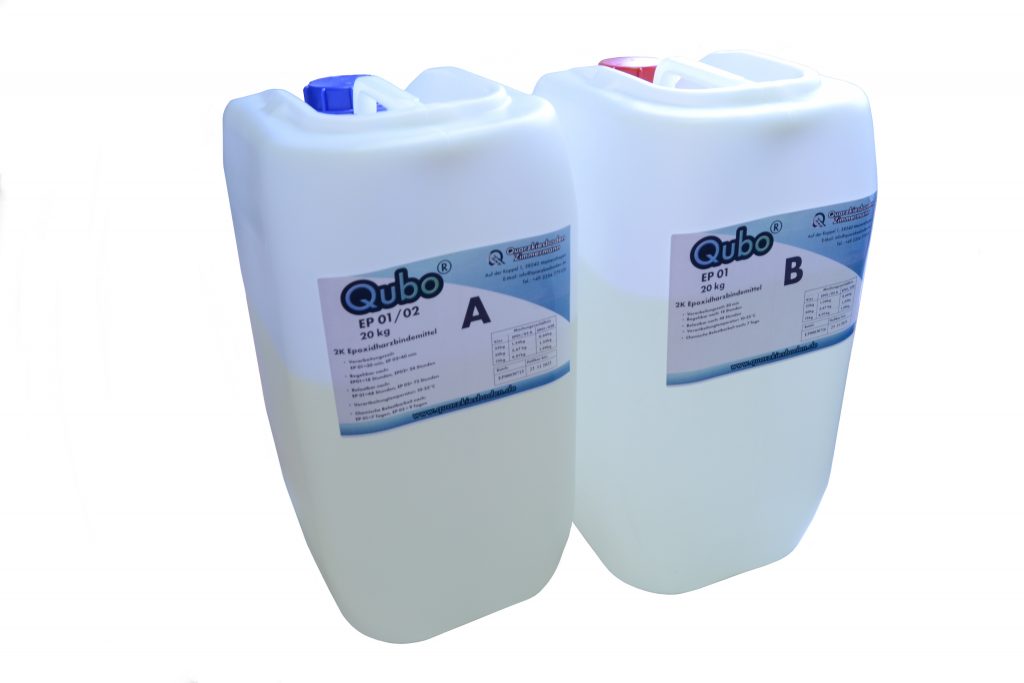
Qubo® Epoxidharz
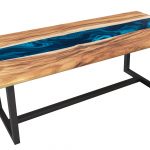
Epoxy resin is probably the best-known stone carpet binder. The transparent, two-component resin is used for decorative purposes, for river tables, as an epoxy resin floor or for mixing with marble and quartz gravel. The stone carpet binder has the ideal viscosity to bond the loose gravel into a long-lasting solid structure. It hardens at room temperature within a day. The high chemical resistance makes epoxy resin the standard among laying resins. Qubo® EP02, which is suitable for use in living areas and recreation rooms thanks to its AgBB certification, deserves special mention here.
Qubo® Polyurethanharz
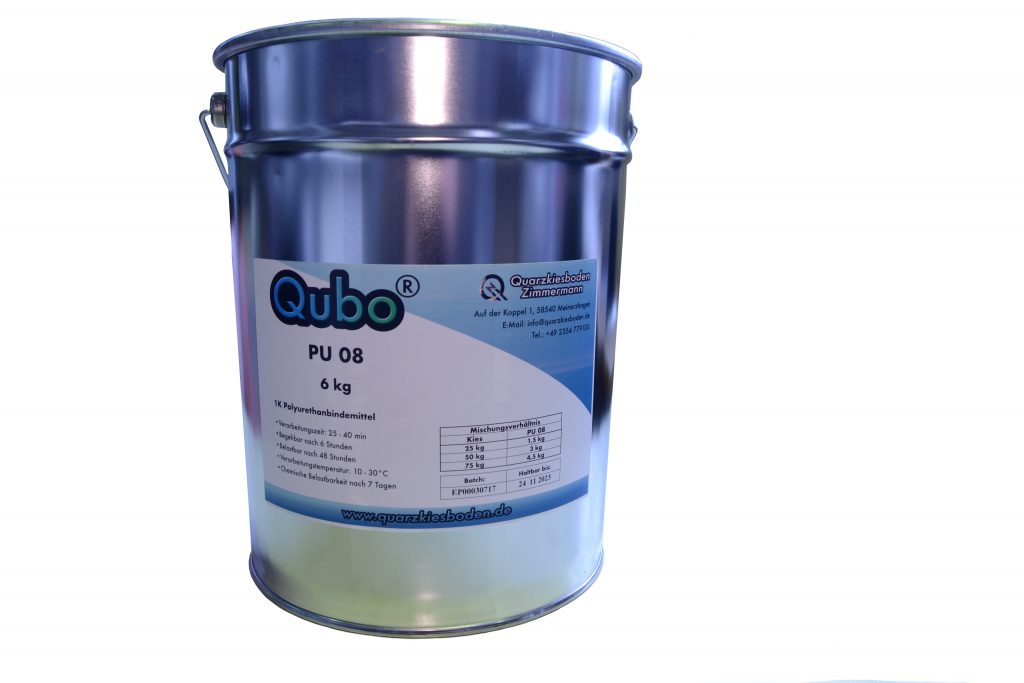
Polyurethane resin is a single-component stone carpet binder especially for outdoor use. Its high elasticity ensures that terraces, balconies, pavements and unheated conservatories always remain stable and crack-free, even in frosty temperatures. PU resin is also used to create driveways with Qubo®Tec. Here, one of the Qubo®Tec PUs is used instead of the normal Qubo® PU08. Please seek advice on this in individual cases.
Qubo® wall coater
To cover vertical surfaces with stone carpet, the stone carpet binder must have special properties. Qubo® WA10 fulfils these requirements for use as a decorative element in interior areas. The one-component, highly viscous acrylate enables the creation of skirting boards and stair nosings made of quartz and marble gravel.
The polyurethane-based Qubo® wall coating (PU-WA08) is suitable for vertical surfaces in outdoor areas and for surfaces subject to heavy mechanical loads as well as for Stone Carpet Walls. The one-component stone carpet binder is based on the popular Qubo® PU08 installation resin, but has a consistency that is ideal for covering higher vertical surfaces. It combines the easy application of Qubo® WA10 with the heavy-duty properties of the flooring system. PU-WA08 is therefore the simplest and most stable variant for use on vertical surfaces.
This must be observed when mixing stone carpet binder The correct mixing ratio is important
In addition to the material quality, the correct mixing ratio is also crucial for the Stone carpet binder. It is important to follow the manufacturer’s instructions! Otherwise you will be amazed when the stones come loose from your floor covering at a later date.
It is advisable to only mix as much material as can be processed in a short time. This is because the
Make the most of our advisory service and select the optimum stone carpet binder for your construction project. Our consultants will help you with any questions you may have about
… for a strong appearance!
Link collection
First and foremost, the area of application determines the pricing. However, the costs depend on many different factors, including
- the type of binder required
-
from the primer
-
the choice of skirting boards, for example if these are also made of quartz gravel
-
from the labor costs of the professional installer
-
the size of the area to be laid
In outdoor areas, the costs are higher because the substrate needs to be sealed and the marble gravel needs to be laid with a UV-resistant binder.
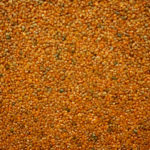
In most cases, colored quartz or marble gravel is used for the production of gravel floors. However, there are considerable differences in quality here, for example in the proportion of dust in the material or the types of marble used.
Mica additives and various precious and semi-precious stones can be added, but this is another cost factor.
Colored quartz is available in the following grain sizes:
-
1–2 mm
-
2–3 mm
- 3–4 mm
Marble gravel is available in the following grain sizes:
-
1–4 mm
-
4–8 mm
- 8–15 mm
Of course, the choice of gravel grain size has an effect on the laying thickness of the gravel floor.
The laying thickness of the floor depends on the gravel grain size and the area of application. Normal gravel with a grain size of 2 – 3 mm can be laid indoors with a thickness of 6 mm.
An installation thickness of 8 mm is used outdoors and on stairs indoors due to the load.
Finally, 10 mm of material is applied to external stairs.
Vertical surfaces such as risers, skirting boards and walls are always laid in 6 mm.
The larger the grain size of the gravel, the higher the installation height of the floor covering. This means that more gravel and additional binder is required per m². The price increases accordingly.
The primer forms the bonding bridge between the building structure and the gravel floor. The material can be applied to almost any substrate, for example tiles, wood, stone, concrete and metal. Different substrates require different preparation steps.
On tiles and metal, for example, a primer is required to give the smooth surface stability during installation.
On porous stone and absorbent screed, the appropriate primer must be used to prevent the binder from being absorbed, which is intended to ensure that the pebbles remain in place.
To coat wooden planks with a gravel floor, the movement of the planks against each other must first be stopped. To do this, the installer first applies a mesh mat to the wooden floor. Once the filler has dried, the gravel floor is applied.
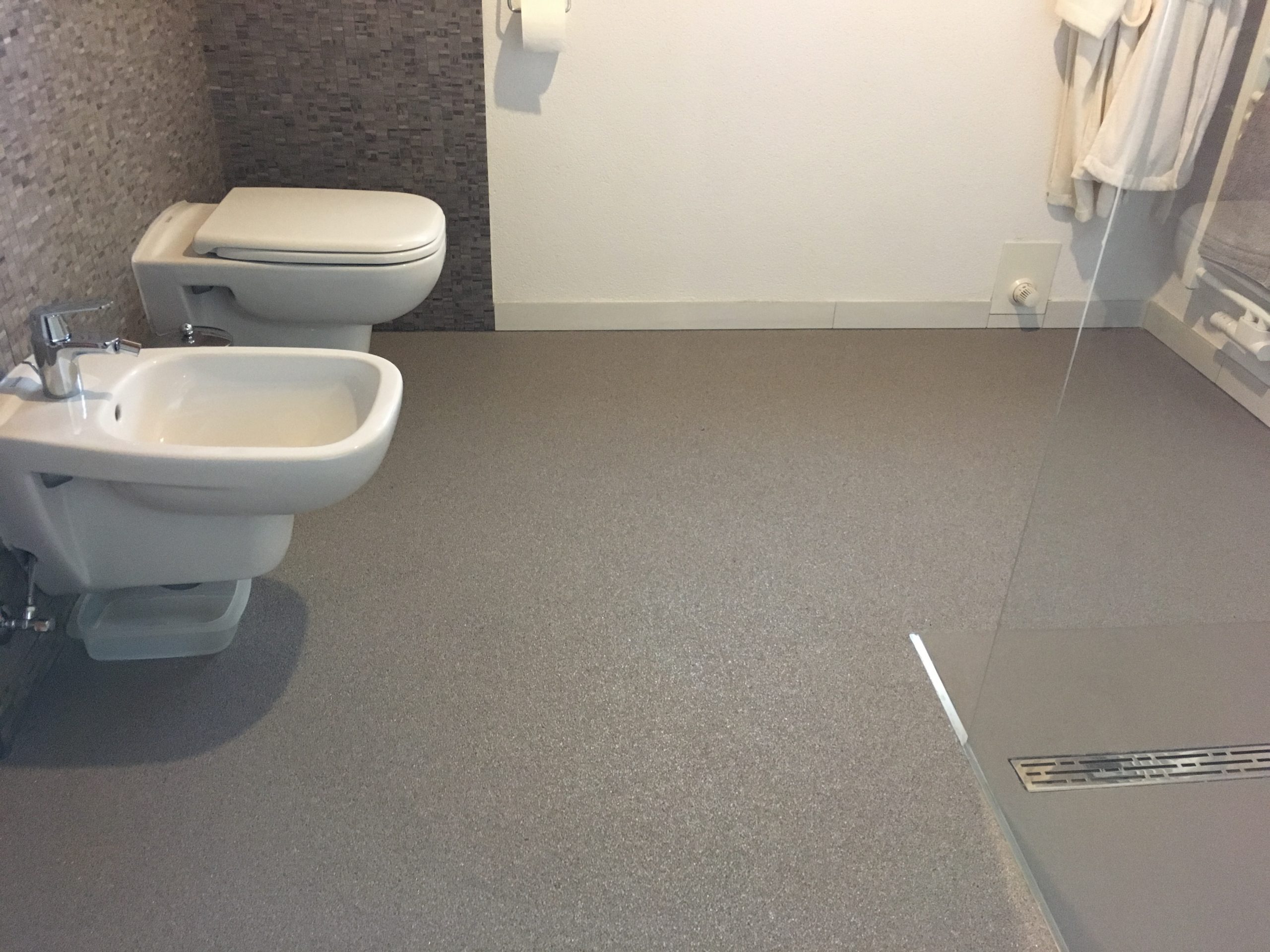
Especially in kitchens and bathrooms, a gravel coating should be provided with a pore seal for hygienic reasons. It prevents leaked, sticky liquids from penetrating the gravel floor. While penetrating liquids are difficult to remove from an open floor, the pore closure allows effortless cleaning by wet mopping.
Dogs, cats and the like feel much more comfortable on the textured surface of a gravel floor than on smooth floor coverings such as tiles or laminate, as they do not slip on a gravel floor. However, it is advisable to apply a pore sealant to the floor to ensure an easily wipeable surface.
Definitiv, ja! Ein Kiesboden auf ihrer Terrasse ist die dauerhafte Alternative zu anderen Bodenbelägen. Das System bildet einen rutschhemmenden Boden, der nicht nur optisch ansprechend, sondern auch zu 100% frostsicher ist. Dadurch lassen sich unsere
Unsere Marmorkiese, die sich ebenfalls für den Einsatz im Außenbereich eignen, kommen aus italienischen Steinbrüchen und sind von Natur aus lichtecht.
-
High drainage capacity due to open-pored structure
-
Quick drying in sun and wind
-
Easy to clean and self-cleaning
-
100% frostsicher
-
UV-stabil
- Gentle, massage-like walking comfort when walking barefoot
The most important thing when laying gravel floors in outdoor areas is preparing the substrate. This ensures the durability of the finished floor.
On the one hand, this is because a primed subfloor provides significantly increased adhesion for the filled gravel. On the other hand, a sealing layer keeps rainwater away from the building structure, for example, which supports long-term durability.
Options for sealing building structures are
- Sealing using an epoxy resin seal with sealing membrane
- Sealing using a flex sealing slurry
In order to drain rainwater effectively, the floor covering is laid with a gradient of at least 1.5%.
No, in outdoor areas, gravel flooring is always laid as an open system to ensure drainage capacity and thus the drainage of rainwater. This makes them 100% frost-proof and therefore ideal as pool surrounds and as a covering for balconies, terraces, entrance areas, outdoor steps and loggias.
We would like to point out that we do not recommend stone carpets in the direct shower area. The reasons for this can be found in the basic structure of the floor and the wet room. Just as the tile adhesive under a tile does not form a completely flat surface without air pockets, pores also remain underneath a sealed stone carpet.
If, after years, a silicone seam leaks and water from a fitting, for example, penetrates between the wall or floor covering and the seal of the building structure, the transparent pore seal reacts with the water and forms white stains. As these occur underneath the seal, they cannot be wiped away or removed by drying.
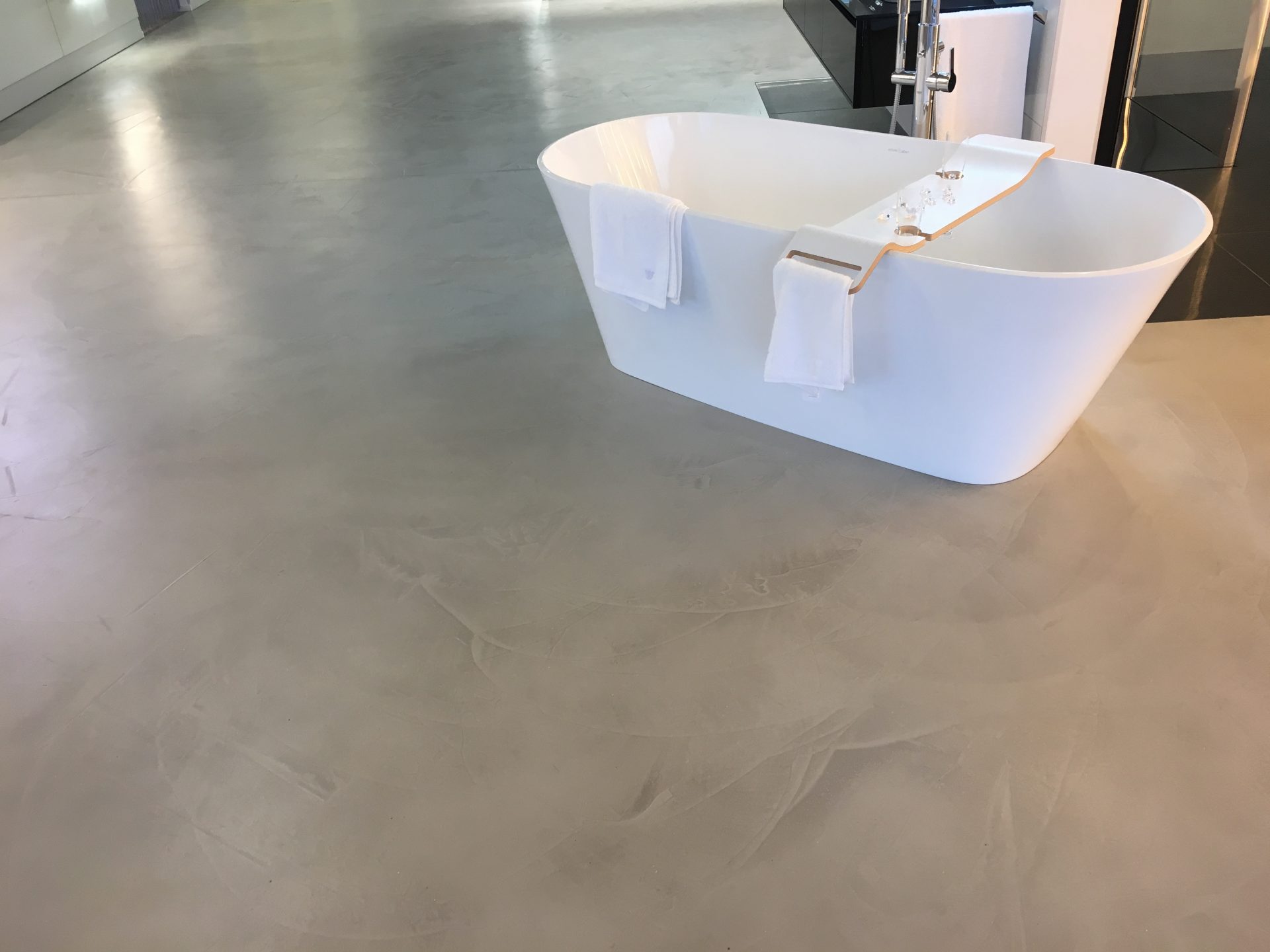
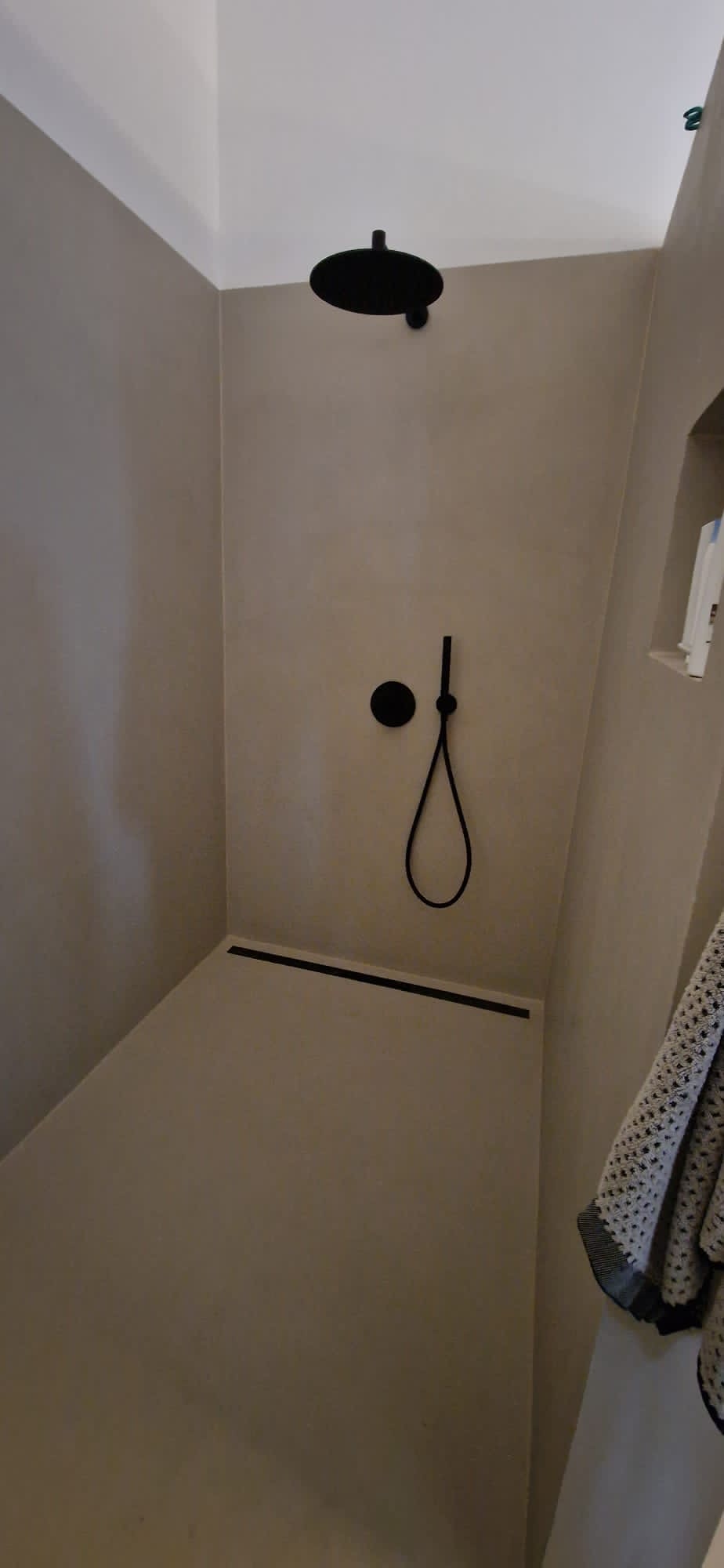
This is why insurance companies do not classify stone carpets as suitable for wet rooms and do not replace such coatings in the event of damage. We therefore recommend microcement coatings for showers. With these, there is no water-bearing layer between the floor covering and the substrate, so there is no risk of moisture penetration. Due to the many customization options for microcement, it can also be combined with stone carpeting. Just get in touch with us.
Yes. A staircase coated with stone carpet already has a slip resistance class of R10 after installation.
Special sealants can be used to increase the slip resistance class to R11 or R12.
Depending on the design of the staircase, the renovation takes 3-5 days. In special cases, installation is also possible within an even shorter time. For a more precise determination of the duration of your construction project , simply contact us at.
All our gravel floors use natural stones as the base material. This is why many people also refer to stone carpeting as natural stone carpeting.
The gravel is available natural and colored.
FAQ
Details and facts, key figures and explanations – here you will find answers to frequently asked questions about our Qubo® coating systems. If any details remain unclear,