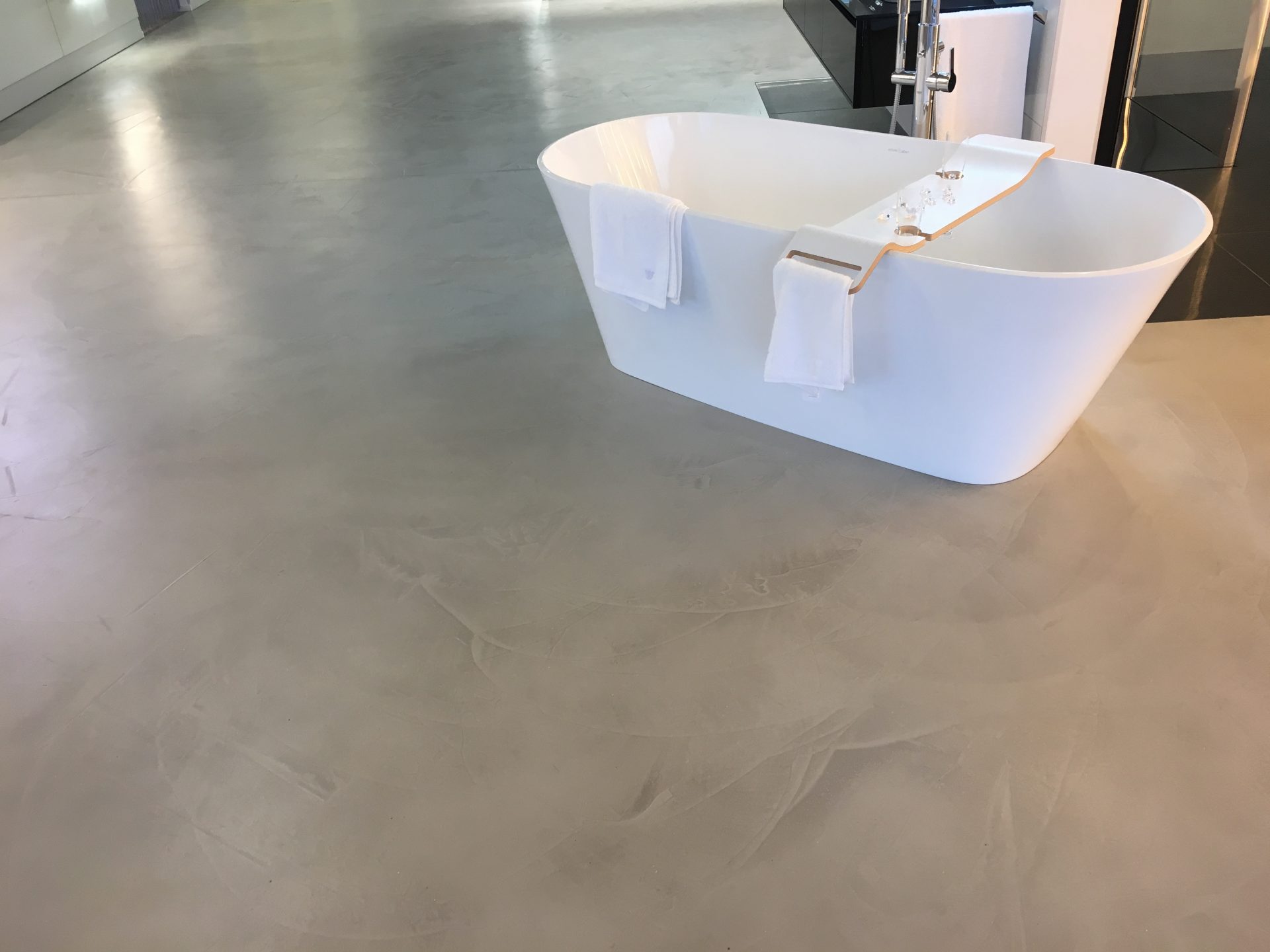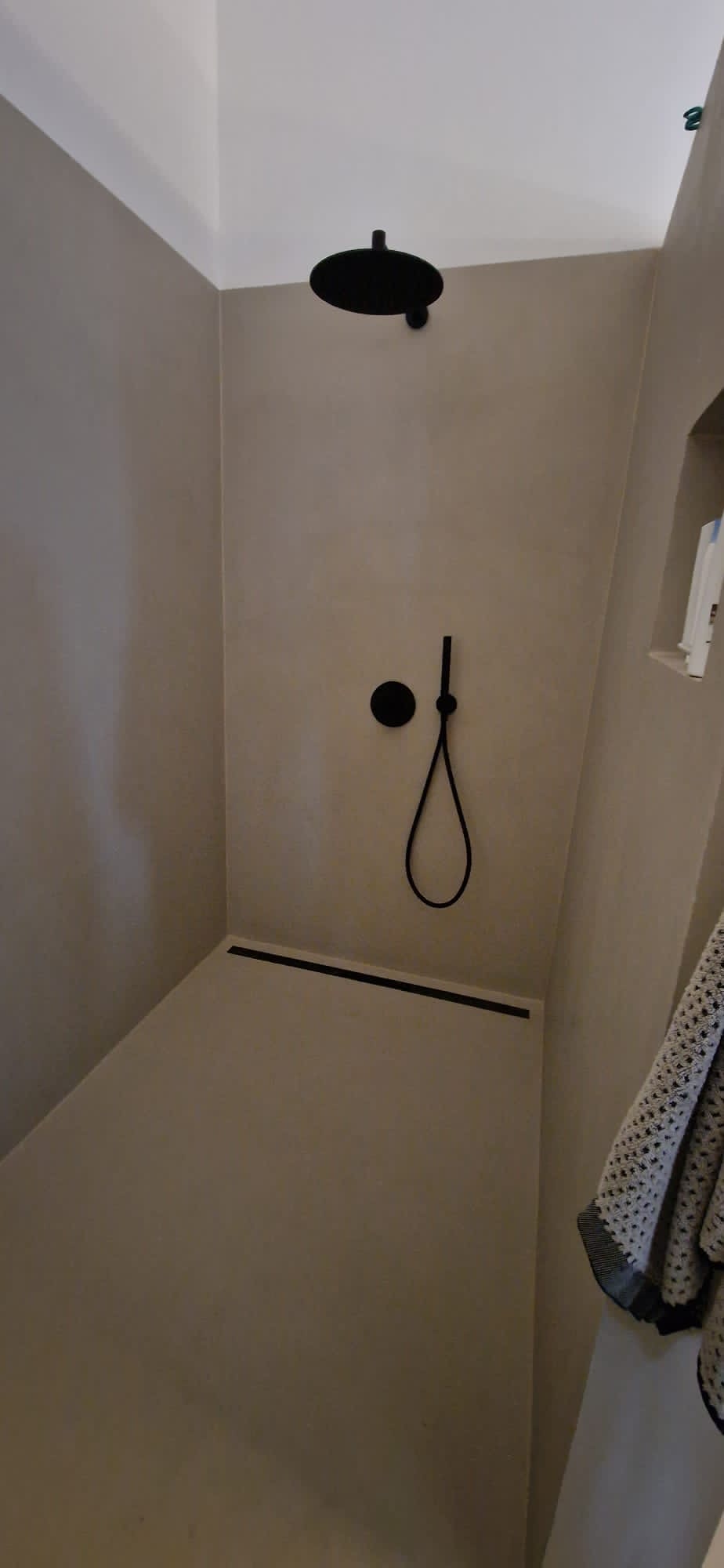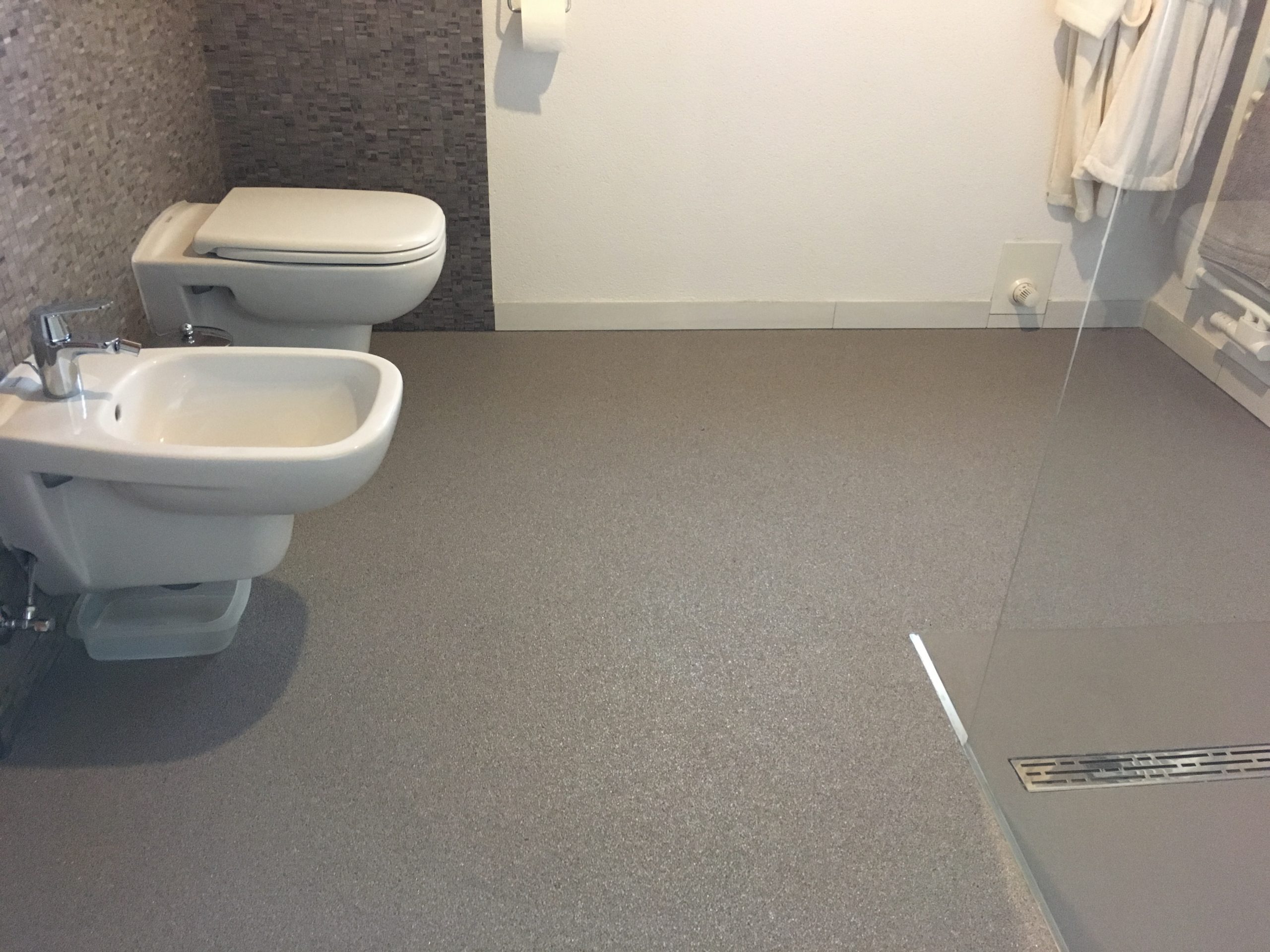
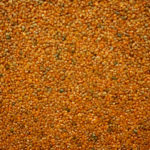
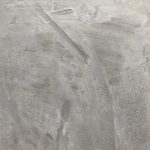
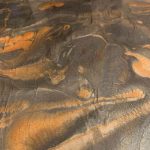
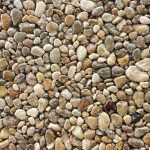
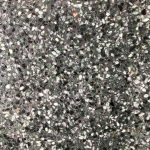

Laying a stone carpet indoors is the ultimate alternative to conventional floor coverings. It is more hygienic than carpeting, more robust than any type of wooden floor and warmer than any stone or tiled floor. It is recommended for both commercial and residential applications. Find out more about the 33 strongest advantages of stone carpeting indoors and its areas of application in the interesting facts section.
Contents
- What is a stone carpet?
- Stone carpeting indoors – advantages at a glance
- Areas of application for indoor stone carpets
- Having a stone carpet laid in the kitchen
- Advantages of a stone carpet for renovation and refurbishment
- On which substrates can stone carpet be laid indoors?
- How must the substrate for indoor stone carpets be prepared?
- What is the installation height of stone carpet?
- What colors are stone carpets available in?
- How much does an interior stone carpet cost?
- Why should a stone carpet be fitted with a pore seal on the inside?
- Is a stone carpet waterproof inside?
- Is an indoor stone carpet suitable for pets?
- Which skirting boards go best with stone carpeting?
- Non-binding Cost estimate
- Link collection
- FAQ
- Shop
What is a stone carpet?
Where does the name come from?
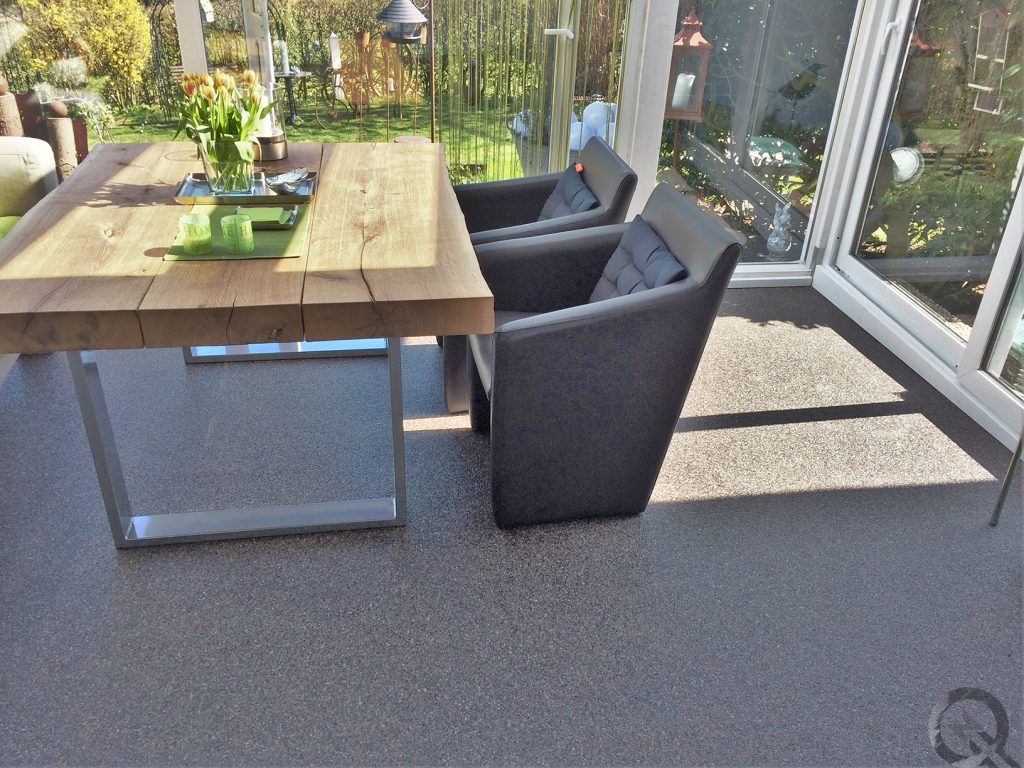
Ein Steinteppich im Innenbereich ist ein epoxidharzgebundener Kiesboden, wobei es verschiedene Sorten von Kies gibt. Das System kann als Quarzkiesboden oder als Boden aus Marmorkies verlegt werden. Diese Kiessorten wiederum gibt es in unterschiedlichen Körnungsgrößen. Seinen Namen verdankt der Steinteppich seiner strukturierten und fugenlosen Optik. Ein Steinteppich im Innenbereich besteht aus 92% Stein und 8% Bindemittel. Im Außenbereich wird er mit 94% Stein und 6% Bindemittel verlegt. Die Komponenten werden gemischt und von einem fachkundigen Verleger mit einem Schwertglätter aufgetragen. Die speziellen Bindemittel für den Innen- und Außenbereich werden von verschiedenen Herstellern und Lieferanten angeboten. Wenn Sie Fragen dazu haben, informieren wir Sie gerne über Unterschiede und Eigenschaften.
Stone carpeting indoors - advantages at a glance
A stone carpet in the interior scores with its positive properties - beneficial for people and animals
- anti-allergenic – no binding of house dust due to the coarse floor structure
- insensitive to dirt – easy cleaning by vacuuming
- Dust-reducing
- Low maintenance
- durable
- Decorative alternative to conventional coatings
- elastic – comfortable to walk on
- Robust and hard-wearing
- Large selection of colors
- Enormous design freedom with shapes, colors and patterns
- Color resistant – no fading of the colors
- Individual color and motif design with Qubo® Painting
- seamless surface coating
- warm to the feet
- Can be installed in combination with underfloor heating
- Highly resilient
- Solvent-free coating system
- biologically harmless
- animal-friendly – no slipping, easy on the joints
- natural stones
- UV – resistant
- Oil and petrol resistant thanks to special sealant
- Waterproof system
- non-slip
- sound-absorbing
- Impact sound absorbing
- flame retardant
- abrasion resistant
- scratch resistant
- there is no static charge
- Can be laid on almost any substrate, such as screed, concrete, tiles or wood
- By using a separating layer, a stone carpet can be easily removed indoors
- Low installation height – only 6 mm material thickness
Areas of application for indoor stone carpets
Interior stone carpet - the right choice for every room - commercial & private
With an indoor stone carpet, you are opting for a floor covering that can be laid in pretty much any room. The situation is different with carpeting, for example. This is not suitable for laying in the bathroom, kitchen, hallway, conservatory, utility room, cellar or garage. The situation is similar with wooden flooring and many other floor coverings.
A stone carpet, on the other hand, replaces tiled flooring in the kitchen, bathroom and hallway with all the necessary properties.
In living areas such as living rooms, children’s rooms and bedrooms, it replaces carpeting with its visual effect. You also benefit from the many other advantages of gravel flooring, which are on a par with tiled floors or other smooth coatings. These include easy cleaning.
An indoor stone carpet is an all-rounder, so to speak, for coating the floor across the entire living area.
In the private sector, a stone carpet is a pleasant indoor floor covering for living rooms and lounges. House dust allergy sufferers, for example, benefit from the fact that house dust does not bind due to the coarse floor structure. It is therefore well suited for use in bedrooms.
It is also frequently used in commercial interiors such as surgeries, laboratories, offices, law firms and business premises. Thanks to its positive properties, it is the right choice for practically any room.
An indoor stone carpet scores with its positive properties - beneficial for people and animals Indoor stone carpet - advantages at a glance
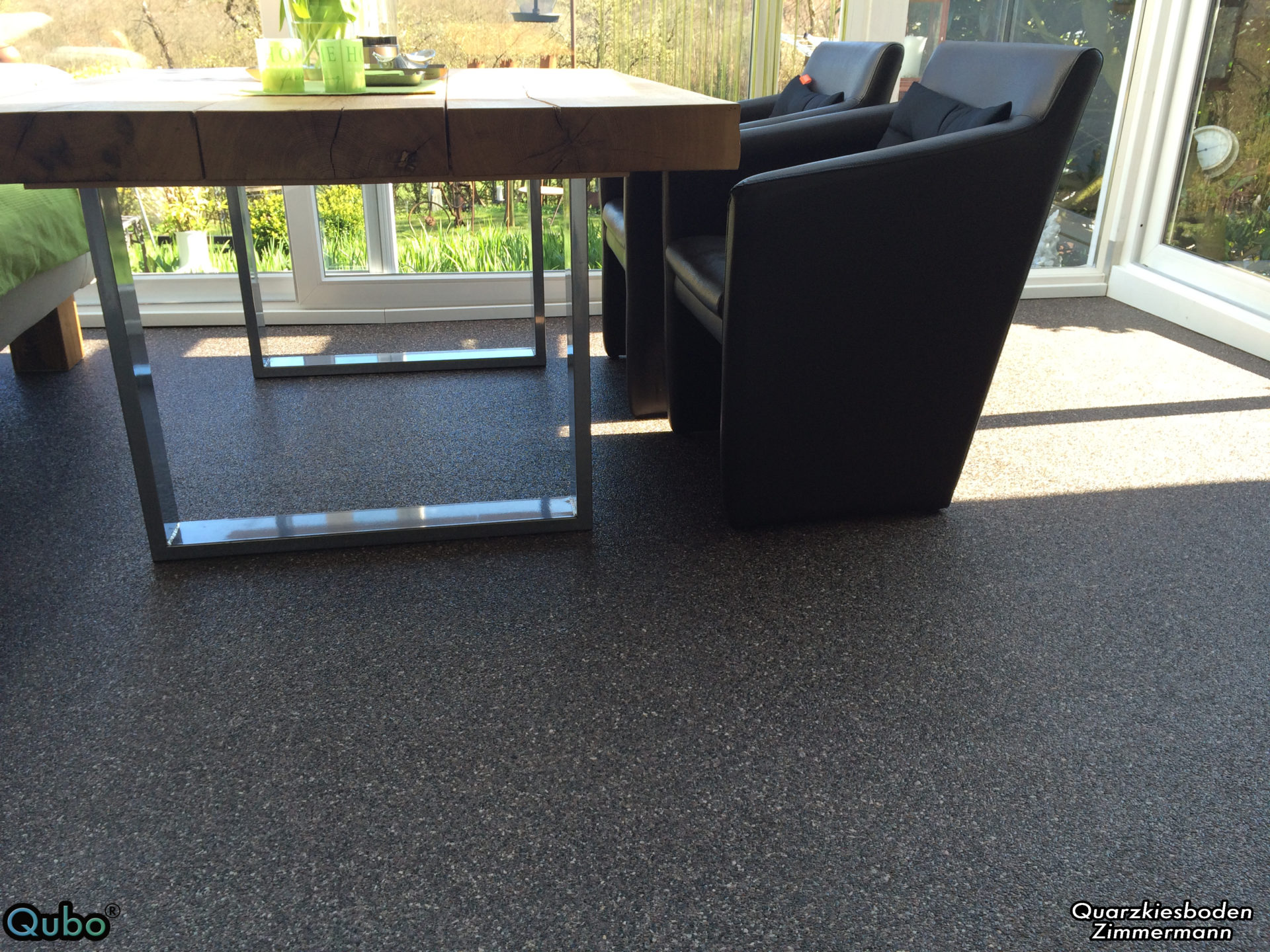
Conservatory, Dining room, Living room

Kitchen, utility rooms
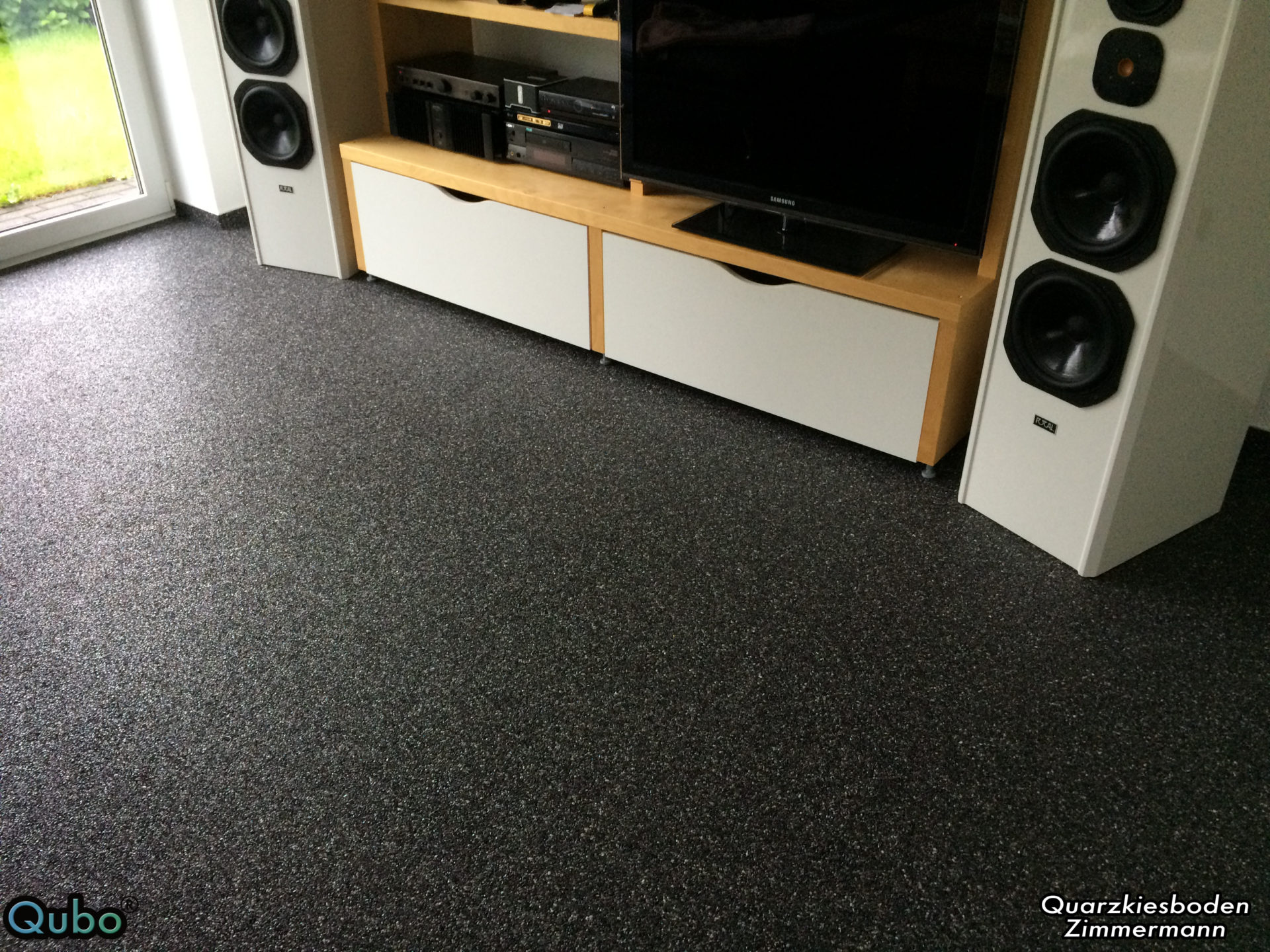
Party rooms, music rooms, youth centers
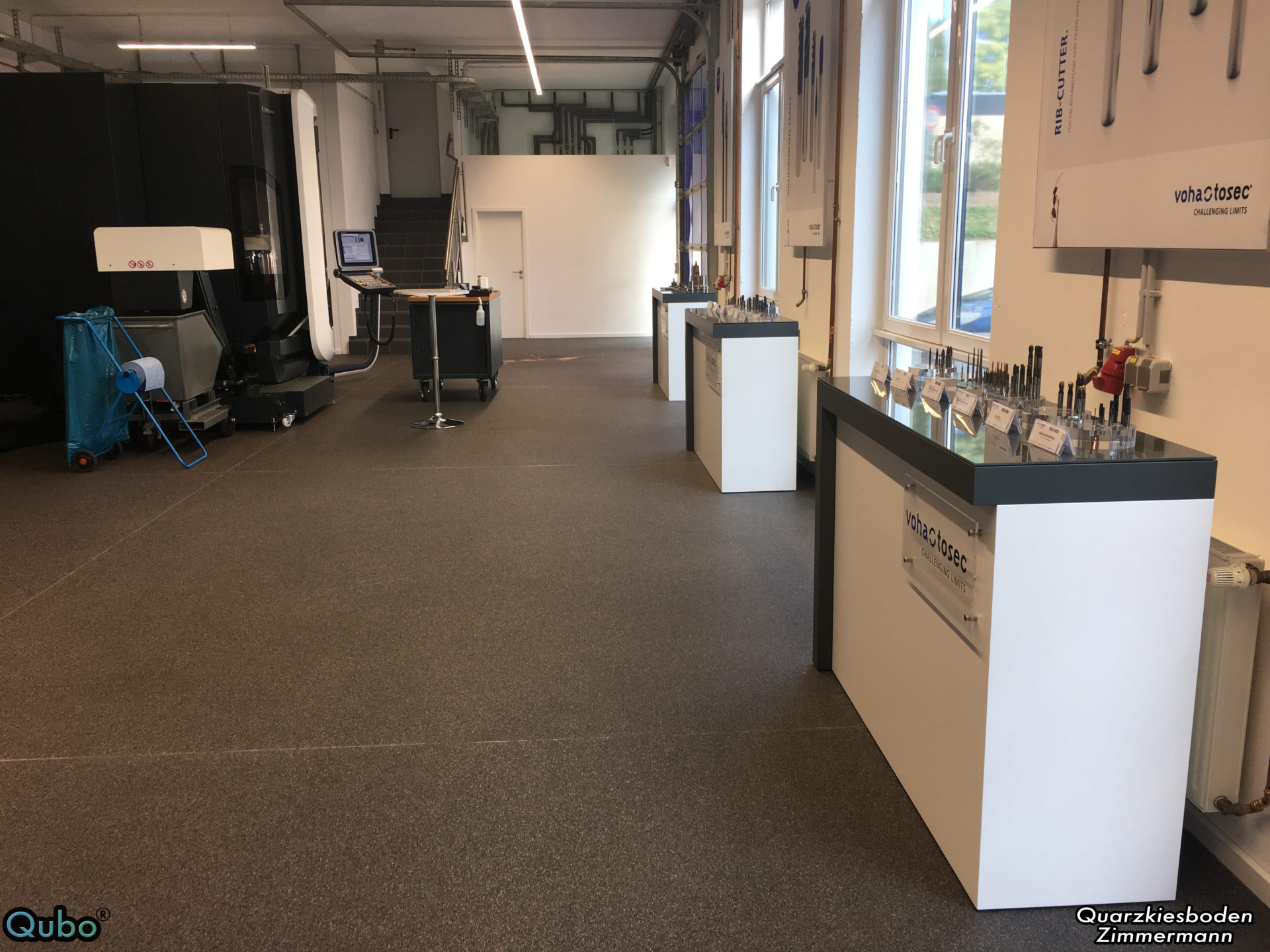
Exhibitions, production areas, assembly halls

Workshops, car dealerships, garages
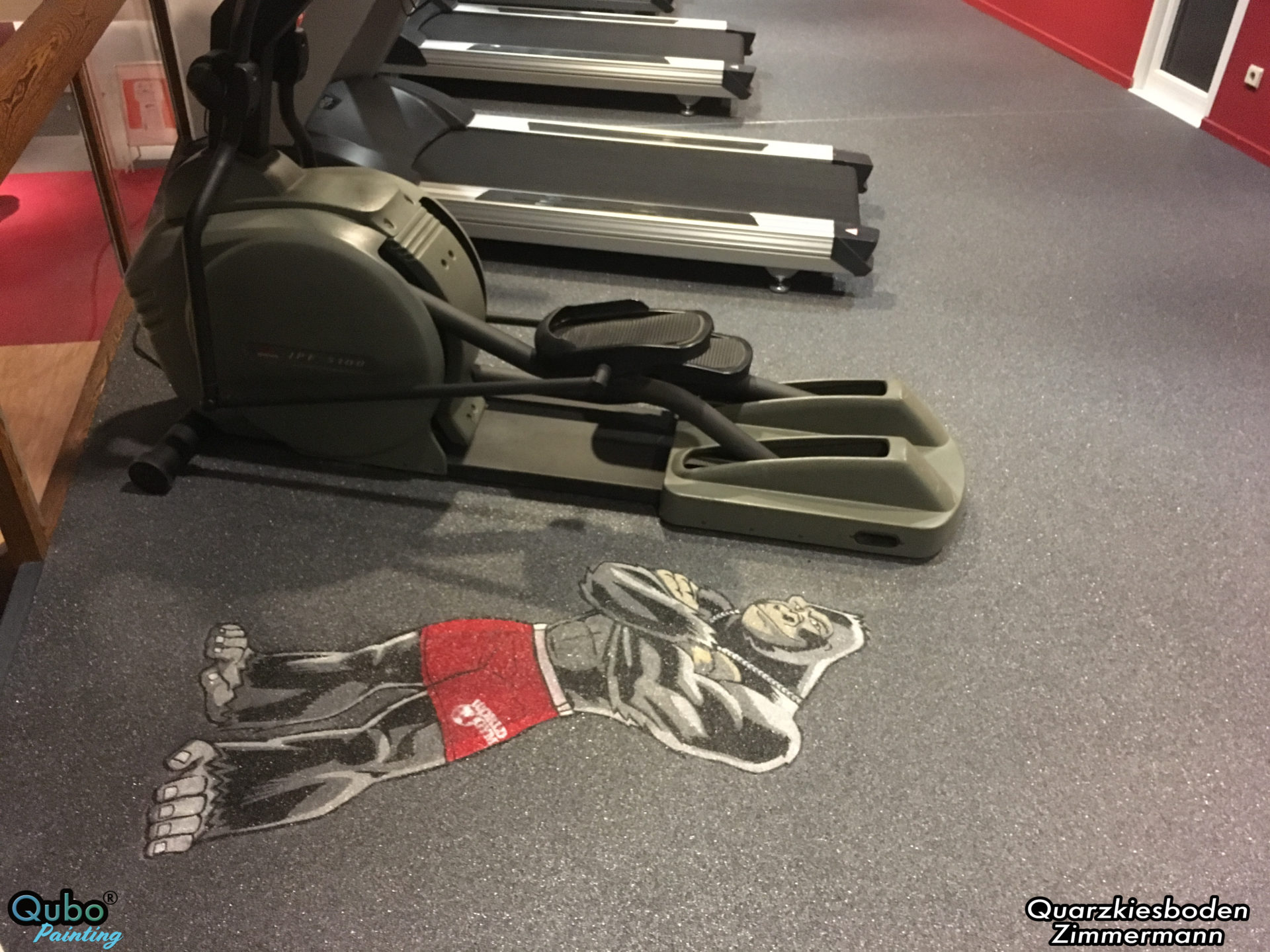
Fitness, Wellness, Saunen
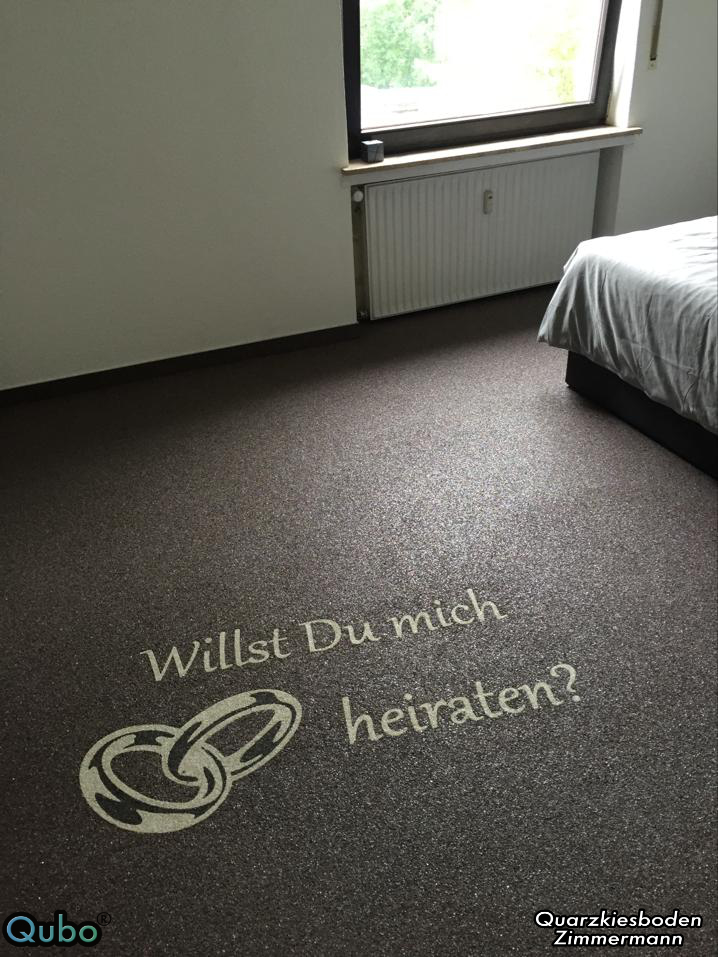
Bedroom, children's room, guest room
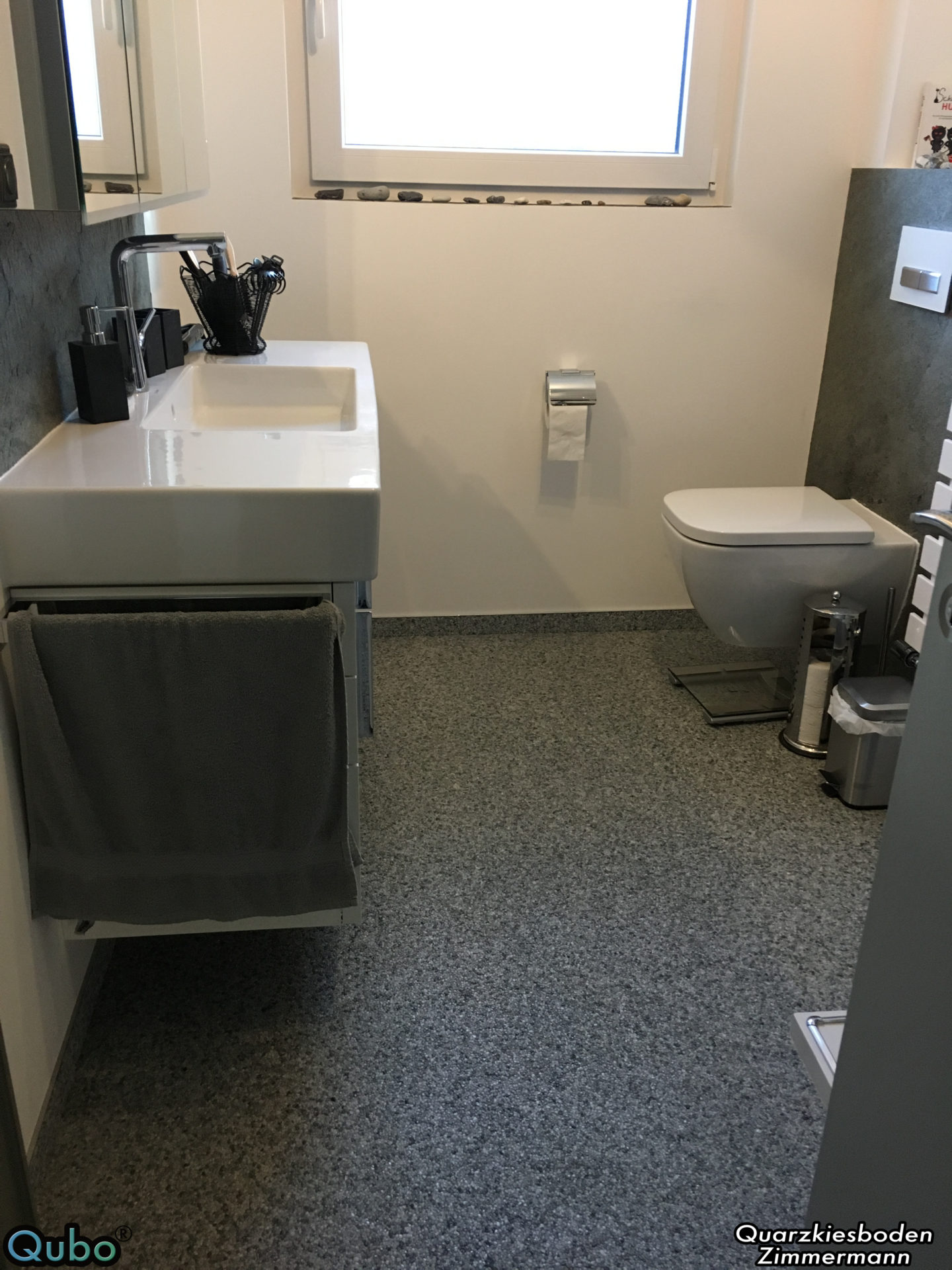
Bathrooms, WCs, swimming pools
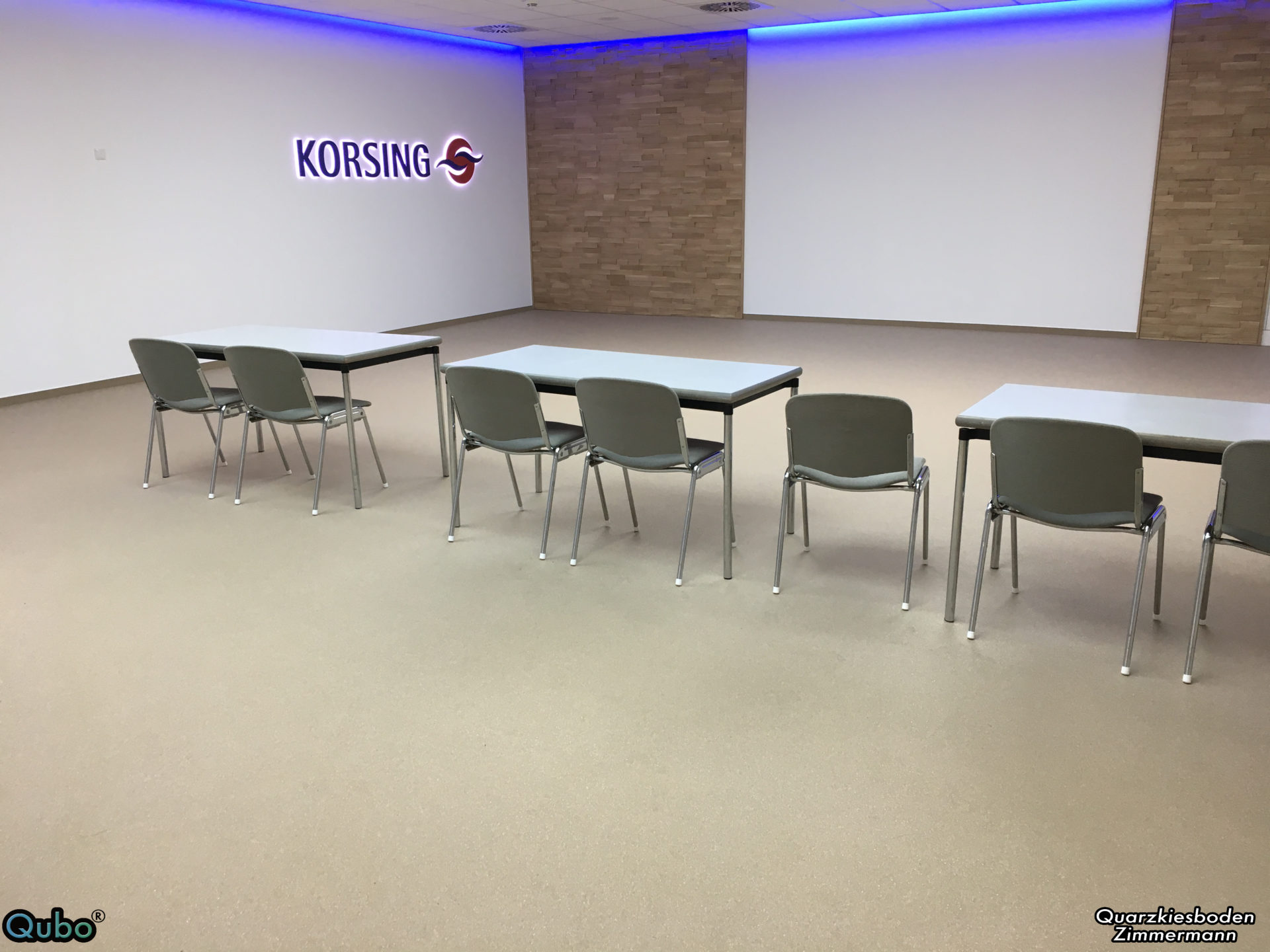
Conference rooms, seminar rooms, offices, schools, kindergartens, community centers
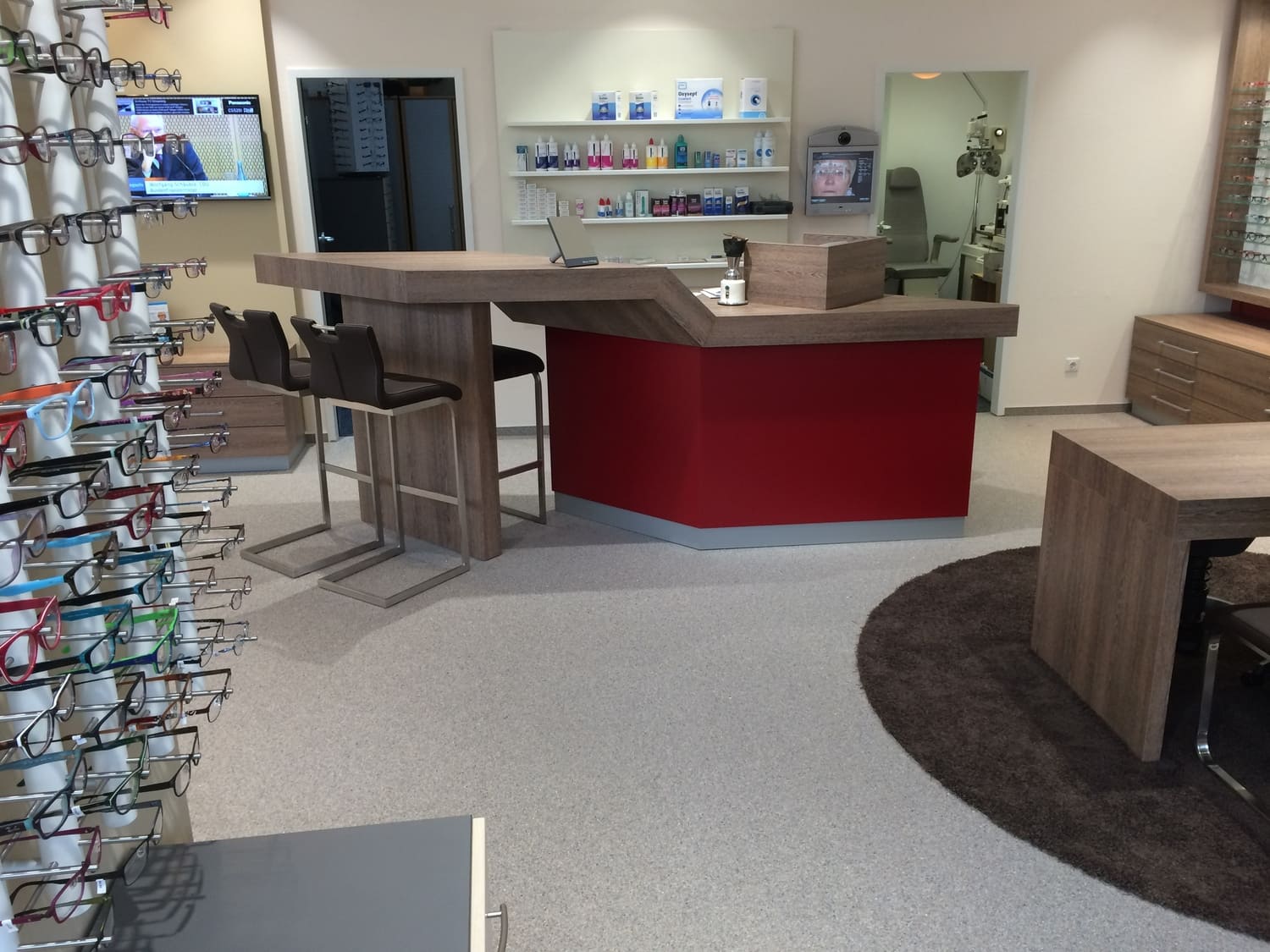
Shopping area, Gastronomy, Boutiques
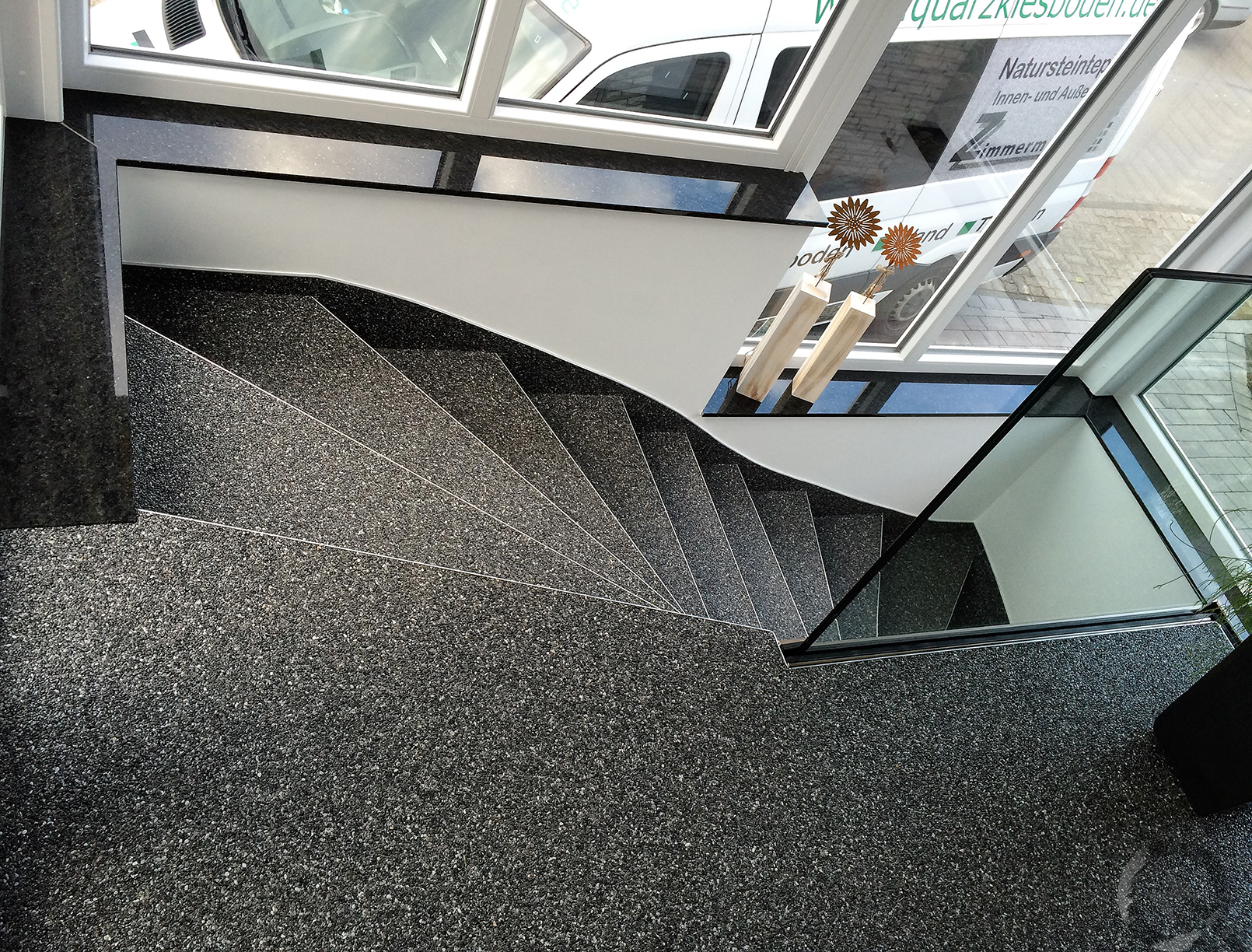
Stairs, corridors, foyers
Stone carpets are often found in sports stores. They are also frequently laid in shoe stores and fashion stores. Countless dental surgeries and pharmacies are now equipped with this grateful floor. In the hospitality industry, such as ice cream parlors, restaurants and hotels, it is a popular choice due to its enormous durability. Banks and travel agencies also benefit from the robust and attractive coating.
If you take a look at our reference page, you will see examples of applications at opticians, gyms, toolmakers, technical colleges and swimming pools. Here, the gravel coating is suitable for pool surrounds and wall design.
You can find out more about wall design in the interesting facts section.
Having a stone carpet laid in the kitchen
Why should you opt for a stone carpet in the kitchen?
As the saying goes: “The best parties always take place in the kitchen!” It is often the central hub where people cook, eat, play, live and celebrate. The floor should therefore be very robust and hard-wearing. At the same time, it should be warm and inviting and easy to clean. This is why a stone carpet in the kitchen is the perfect top floor compared to tiles, parquet, laminate or carpeting. A special pore seal prevents water from penetrating and makes the floor resistant to dirt. The seamless look and pleasant walking sensation are retained.
Choosing a stone carpet in the kitchen should no longer be difficult if you want a hygienic and easy-care floor covering. And it also offers so many design options.
Advantages of a stone carpet for renovation and refurbishment
Stone carpet - quick to lay, quick to walk on, highly resilient
A Qubo® indoor stone carpet can be walked on after 24 hours and is fully cured after 7 days. It is laid within one day and can be provided with a prefabricated stone carpet logo, which only needs to be applied during laying.
The fast processing of this coating system is a great advantage for refurbishments and renovations, especially in store fitting and exhibition stand construction.
Modern and efficient heating
Anyone who wants to use a modern heating system when renovating old buildings or building a new home usually opts for underfloor heating. However, not all floor systems are equally suitable for the use of this energy-saving heating system. Underfloor heating is located directly in or under the screed and must transport the heat generated into the room via the floor materials used. As air is a comparatively poor conductor of heat, the air layer under laminate, for example, has more of an insulating effect than a conveying one.
A stone carpet is applied to the substrate as a leveling compound. The compacted layer of gravel and binder creates a particularly extensive bond between the subfloor and the top floor. The heat from the underfloor heating can therefore be quickly transported to the top floor. Due to the low installation height of the stone carpet indoors, the energy reaches the surface more quickly. As stone is a good heat accumulator, the floor remains evenly warm.
Underfloor heating becomes more efficient and responsive the less material there is above the heating loops. For this reason, the heating cables should ideally be milled directly into the finished screed.
Renewal of old steps
Old stairs with worn steps, cracks and broken tiles have several disadvantages: they don’t look particularly attractive and even pose a safety risk in an emergency. However, many homeowners fear the expense of replacing the stairs.
Using stone carpet indoors makes renovating old stairs much easier: existing steps are simply covered with the new material. Existing double joints can be retained, as can simple, straight risers. Whether the surface is a wooden staircase, a structure of open metal steps or a concrete staircase is irrelevant – your specialist will advise you on the necessary preparation steps. In many cases, such interior staircases can be renewed after just a few days.
On which substrates can stone carpet be laid indoors?
The right stone carpet primer is essential
Interior stone carpets can be laid on almost any load-bearing surface. This includes screed, concrete, natural stone, tiles, plastic coverings and – in conjunction with a fabric mat – even wood. Different substrates require different preparation steps. The right primer is a prerequisite for any substrate. It forms the bonding bridge between the building structure and the floor system .
A distinction is made between absorbent and non-absorbent substrates.
There are special primers for damp substrates.
For installation on wood, there is a primer system in which a glass fiber mat is fixed to the wooden floor and filled with an epoxy resin compound.
A special process can be used to create a bonding bridge on an oil-contaminated substrate.
How must the substrate for indoor stone carpets be prepared?
How do I remove adhering floor residue from the substrate?
When laying stone carpet indoors, the substrate must always be clean, dry and free of dust and grease. A cementitious subfloor must be at least 21 days old and must not have a cement skin. In accordance with European standards, the maximum permissible residual moisture content for subfloors must not exceed 3%. The temperature of the subfloor should be 3°C above the dew point.
Diamond grinding or shot blasting and vacuuming are recommended to remove adhesion-reducing components from the substrate.
After the necessary preparatory steps, the substrate is primed.
What is the installation height of an indoor stone carpet?
How does the area of application affect the installation height?
One of the most important factors influencing the thickness of the gravel floor is the area of application. A standard indoor stone carpet is laid with a layer thickness of 6 millimeters. This installation height ensures a stable and well-compacted gravel floor for typical applications in private and commercial environments.
A stone carpet with a construction height of 8 millimeters is laid on outdoor surfaces. This allows it to withstand the higher loads caused by environmental influences. The main factors here are the weather and the higher thermal load, to which the stone carpet is not exposed indoors.
As the stress on the gravel floor is higher on steps than on continuous floor surfaces, two additional millimetres of construction height are planned here. Accordingly, steps are created with a layer thickness of 8 millimetres indoors and 10 millimetres outdoors.
Vertical surfaces such as stair joints, skirting boards or walls always have a layer thickness of 6 millimeters.
What effect do the different grain sizes have on the installation height?
Another important factor in determining the installation height is the grain size of the gravel. A stone carpet consists of an infinite number of pebbles just a few millimeters in size. These are available in different grain sizes. The grain size of the gravel is decisive for the processing, the design and the price of the floor. In addition to the area of application, the minimum installation height also depends on the selected grain size. In order to achieve good compaction when laying the gravel coating, the minimum construction height must correspond to the height of two pebbles. This is the only way to create an even, stable surface without any noticeable indentations.
The available gravel grain sizes differ between the various gravel materials. Colored quartz is available in finer gradations, while marble gravel is also available in larger grain sizes.
Colored quartz is available in the following grain sizes:
- 1-2 mm
- 2-3 mm
- 3-4 mm
Marble gravel is available in the following grain sizes:
- 1-4 mm
- 4-8 mm
- 8-15 mm
In addition to the gravel itself, mica additives, precious and semi-precious stones can be added during installation. Depending on the size of the additional materials scattered in, the construction height of the floor can change accordingly.
Why is a low installation height important?
When laying a new top floor, the transitions between different rooms are particularly critical points. Doors and banisters are often precisely matched to the current floor. If an old flooring system is to be replaced, this is often only possible with extensive demolition work. Chiseling out old tiles, for example, leads to dust and noise, longer conversion times, construction waste and higher renovation costs.
The lower the installation height of a new top floor, the more likely it is that the new system can be laid directly on top of the old floor without having to replace railings or adjust doors.
With a construction height of 6 millimetres or more, stone carpet can often be laid indoors without the adjustments described above. With the appropriate substrate preparations, old tiles and wooden floors can also be covered directly with a quartz or marble gravel floor.
What colors are stone carpets available in?
You have these options when designing stone carpets
We offer you a large selection of colors for laying stone carpet indoors, which can also be mixed with each other.
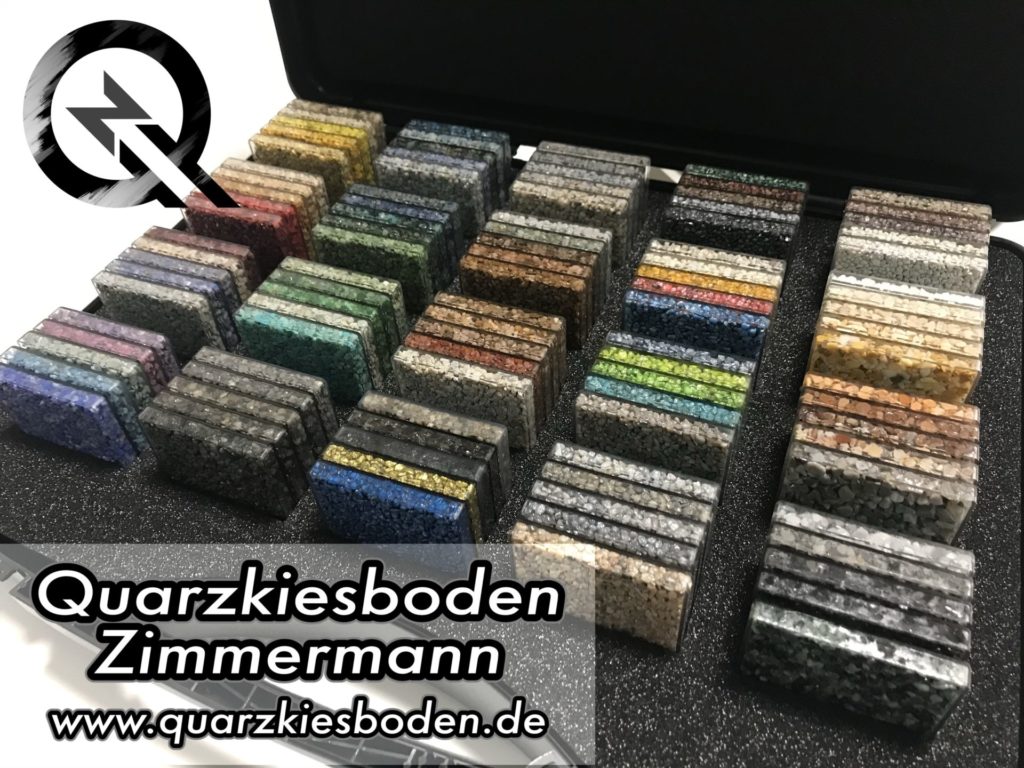
The colored quartz is available in different colors. The quartz gravel can be ordered in single-colored, double-colored, metallic and pearlescent versions. Various types of marble are also available.
Sample cases with a wide selection of colored quartz and marble types are available for craftsmen from Quarzkiesboden Zimmermann GmbH & Co KG.
Individual motifs for your floor
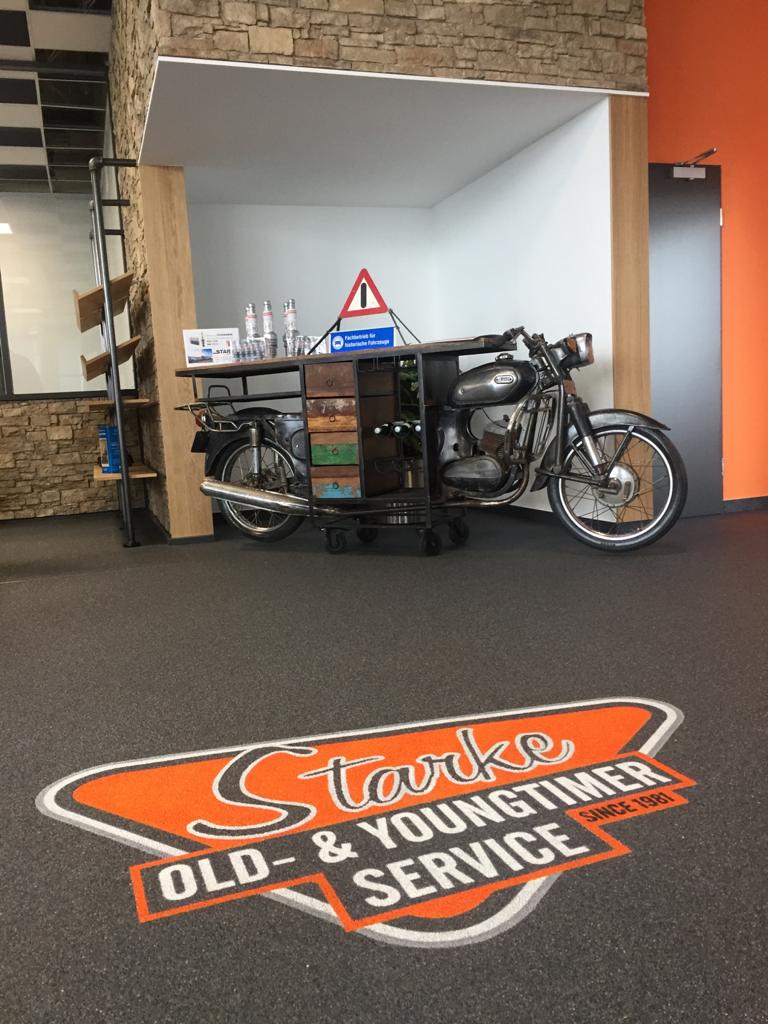
Stone carpet motifs are another popular option for individualizing the top floor. These airbrush works of art are created in the sz art of airbrush manufactory and delivered ready to lay. They can be used in a variety of ways. Company logos in the foyer, maritime motifs in the bathroom or lettering in the hallway are just some of the applications for the so-called Qubo® Paintings. With their sealant, the floor logos are just as abrasion-resistant as the gravel floor itself. This ensures that their attractive look is permanently retained.
The logos are fixed and applied by the installation specialist when the gravel floor is laid. This means that the construction time is not extended, even when using Qubo® Paintings.
How much does an interior stone carpet cost?
How does the grain size affect the costs?
First and foremost, the area of application determines the pricing. However, the cost of an interior stone carpet depends on many other factors, including
- the type of binder required
- from the primer
- the choice of skirting boards, for example if these are also made of quartz gravel
- from the labor costs of the professional installer
- the size of the area to be laid
The larger the grain size of the gravel, the higher the installation height of the floor covering. This means that more material is required per m². The price increases accordingly.
Why should a stone carpet be fitted with a pore seal on the inside?
For hygienic reasons, a pore filler should be applied to indoor stone carpets
For indoor stone carpets, especially in kitchens and bathrooms, a pore seal is recommended for hygienic reasons. It prevents leaked, sticky liquids from penetrating the stone carpet.
While penetrating liquids are difficult to remove, the pore seal enables effortless cleaning by wet wiping.
Is a stone carpet waterproof inside?
Thanks to pore sealing and epoxy resin sealant, an indoor stone carpet is waterproof
The waterproofing of the building structure is the water-bearing layer. To make the interior of the stone carpet waterproof, a pore seal is used in conjunction with an epoxy resin sealant. Qubo® EP (glossy) can be used as an epoxy resin sealant. Another option is a semi-matt or anti-slip polyurethane sealant.
Is an indoor stone carpet suitable for pets?
Why dogs feel great on stone carpets
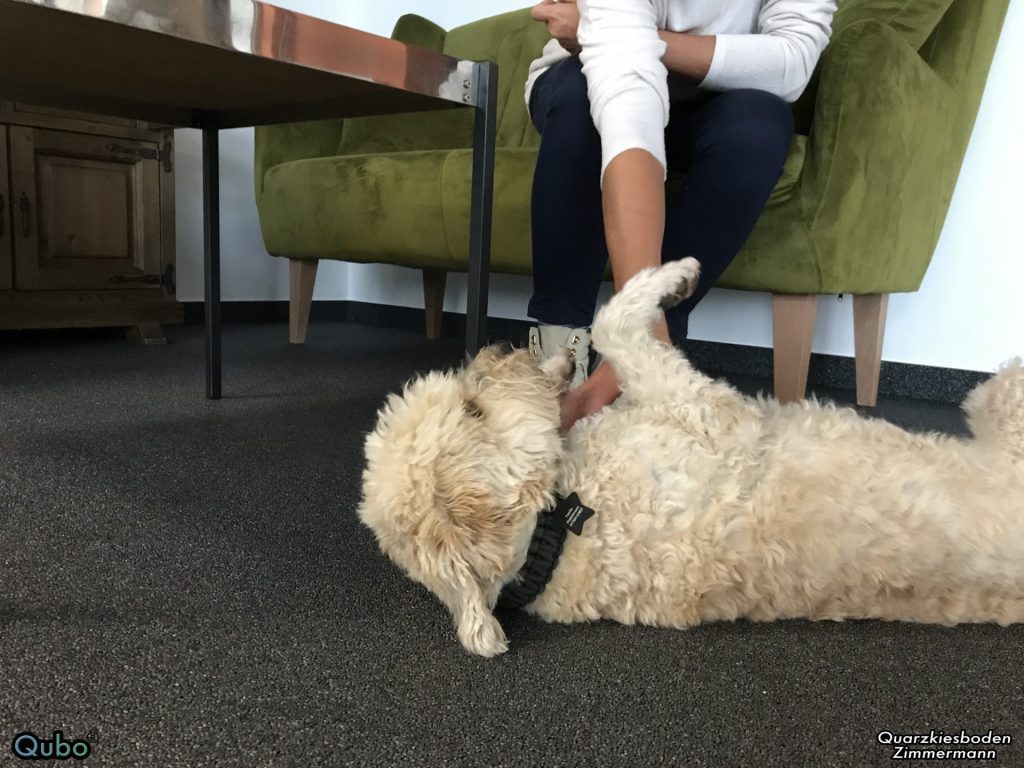
Our pets particularly enjoy indoor stone carpets. Dogs, cats and the like feel much more comfortable on the textured surface than on smooth floor coverings, as they do not slip on stone carpets. This is easy on the joints. However, it is advisable to cover the floor with a pore seal so that it is easy to clean if a mishap occurs.
An indoor stone carpet is also highly recommended due to its insensitivity to animal hair and wet tapestries, which are not at all noticeable on this floor.
Which skirting boards go best with stone carpeting?
Skirting boards are made from the same material
We recommend making the skirting boards from the same material as the floor itself. In our opinion, this creates the most harmonious effect. The skirting boards are made directly on site from either quartz gravel or marble gravel. Depending on your requirements, aluminum or stainless steel rails are fixed to the wall at the appropriate height. The area from the floor to the rail is filled with stone carpet material. The skirting boards can be perfectly adapted to the architectural and stylistic requirements. This ensures a uniform and elegant look and so…
…for a strong appearance!
Non-binding cost estimate and advice
Link collection
- Product page
- Wissenswertes Reinigung & Pflege
- Wall design inside & outside
- Things to know Milling in underfloor heating
- Things to know about renovating stairs
- Worth knowing The ideal top floor for households with dogs
- Worth knowing: Stone carpet …
- Contact to Quarzkiesboden Zimmermann
- Contact sz art of airbrush
- Contact the Qubo® support centres
- References
First and foremost, the area of application determines the pricing. However, the costs depend on many different factors, including
- the type of binder required
-
from the primer
-
the choice of skirting boards, for example, if these are also made of gravel
-
from the labor costs of the professional installer
-
the size of the area to be laid
In outdoor areas, the costs are higher because the substrate needs to be sealed and the marble gravel needs to be laid with a UV-resistant binder.
In most cases,
coloured quartz
or
marble gravel
is used for the production of stone carpets. However, there are considerable differences in quality here, for example in the proportion of dust in the material or in the types of marble used. Mica additives and various precious and semi-precious stones can be added, but this is another cost factor.
Colored quartz is available in the following grain sizes:
-
1–2 mm
-
2–3 mm
- 3–4 mm
Marble gravel is available in the following grain sizes:
-
1–4 mm
-
4–8 mm
- 8–15 mm
Of course, the choice of gravel grain size has an effect on the laying thickness of the gravel floor.
The laying thickness of the floor depends on the gravel grain size and the area of application. Normal gravel with a grain size of 2 – 3 mm can be laid indoors with a thickness of 6 mm.
An installation thickness of 8 mm is used outdoors and on stairs indoors due to the load.
Finally, 10 mm of material is applied to external stairs.
Vertical surfaces such as risers, skirting boards and walls are always laid in 6 mm.
The larger the grain size of the gravel, the higher the installation height of the floor covering. This means that more gravel and additional binder is required per m². The price increases accordingly.
The primer forms the bonding bridge between the building structure and the gravel floor. The material can be applied to almost any substrate, for example tiles, wood, stone, concrete and metal. Different substrates require different preparation steps.
On tiles and metal, for example, a primer is required to give the smooth surface stability during installation.
On porous stone and absorbent screed, the appropriate primer must be used to prevent the binder from being absorbed, which is intended to ensure that the pebbles remain in place.
To coat wooden planks with a gravel floor, the movement of the planks against each other must first be stopped. To do this, the installer first applies a mesh mat to the wooden floor. Once the filler has dried, the gravel floor is applied.
For reasons of hygiene, the stone carpet should be fitted with a pore seal, especially in kitchens and
bathrooms
. It prevents leaked, sticky liquids from penetrating the gravel floor. While it is difficult to remove liquids that have penetrated an open floor, the pore seal enables
effortless cleaning
by wet mopping.
Dogs
, cats and co. feel much more comfortable on the textured surface of a gravel floor than on smooth floor coverings such as tiles or laminate, as they do not slip on stone carpets. However, it is advisable to cover the floor with a pore seal to ensure an easily wipeable surface.
terrace
is the durable alternative to other floor coverings. The system creates a non-slip floor that is not only visually appealing, but also 100% frost-proof and UV-resistant. This means that our
marble gravel
, which is also suitable for outdoor use, comes from Italian quarries and is naturally lightfast.
-
High drainage capacity due to open-pored structure
-
Quick drying in sun and wind
-
Easy to clean and self-cleaning
-
100% frostsicher
-
UV-stabil
- Gentle, massage-like walking comfort when walking barefoot
The most important thing when laying gravel floors in outdoor areas is preparing the substrate. This ensures the durability of the finished floor.
On the one hand, this is because a primed subfloor provides significantly increased adhesion for the filled gravel. On the other hand, a sealing layer keeps rainwater away from the building structure, for example, which supports long-term durability.
Options for sealing building structures are
- Sealing using an epoxy resin seal with sealing membrane
- Sealing using a flex sealing slurry
In order to drain rainwater effectively, the floor covering is laid with a gradient of at least 1.5%.
No, in outdoor areas, the stone carpet is always laid as an open system to ensure drainage capacity and thus the drainage of rainwater. This makes them 100% frost-proof and therefore ideal as
pool surrounds
and as a covering for balconies, terraces, entrance areas, outdoor steps and loggias.
We would like to point out that we do not recommend stone carpets in the direct shower area. The reasons for this can be found in the basic structure of the floor and the wet room. Just as the tile adhesive under a tile does not form a completely flat surface without air pockets, pores also remain underneath a sealed stone carpet.
If, after years, a silicone seam leaks and water from a fitting, for example, penetrates between the wall or floor covering and the seal of the building structure, the transparent pore seal reacts with the water and forms white stains. As these occur underneath the seal, they cannot be wiped away or removed by drying.
This is why insurance companies do not classify stone carpets as suitable for wet rooms and do not replace such coatings in the event of damage. We therefore recommend microcement coatings for showers. With these, there is no water-bearing layer between the floor covering and the substrate, so there is no risk of moisture penetration. Due to the many customization options for microcement, it can also be combined with stone carpeting. Just get in touch with us.
stairs
can be easily renovated both indoors and outdoors. If you apply a gravel coating to your old stairs, you will get a new design without having to invest in a new staircase. Renovation is carried out without any chiseling or demolition work. Staircase renovation significantly reduces or even completely eliminates noise. Of course, stone carpeting is also ideal for new staircases and entrance areas.
Yes. A staircase coated with stone carpet already has a slip resistance class of R10 after installation.
Special sealants can be used to increase the slip resistance class to R11 or R12.
Depending on the design of the staircase, the renovation takes 3-5 days. In special cases, installation is also possible within an even shorter time. For a more precise determination of the duration of your construction project ,
simply contact us at
.
All our gravel floors use natural stones as the base material. This is why many people also refer to stone carpeting as
natural stone carpeting
.
The gravel is available natural and colored.
FAQ
Details and facts, key figures and explanations – here you will find answers to frequently asked questions about our Qubo® coating systems. If any details remain unclear, simply contact us at . We will be happy to advise you personally and promptly.